




Introduction
Are you curious about the wonders of foam rolling, that seemingly simple yet highly effective fitness tool? Whether you’re an athlete, fitness enthusiast, or just someone looking to enhance your wellness routine, you’re in the right place. In this article, we’re going to dive deep into the world of foam rolling, exploring how to use a foam roller correctly to reap its full benefits. We’ll also delve into various foam rolling techniques that can take your fascia training to the next level.
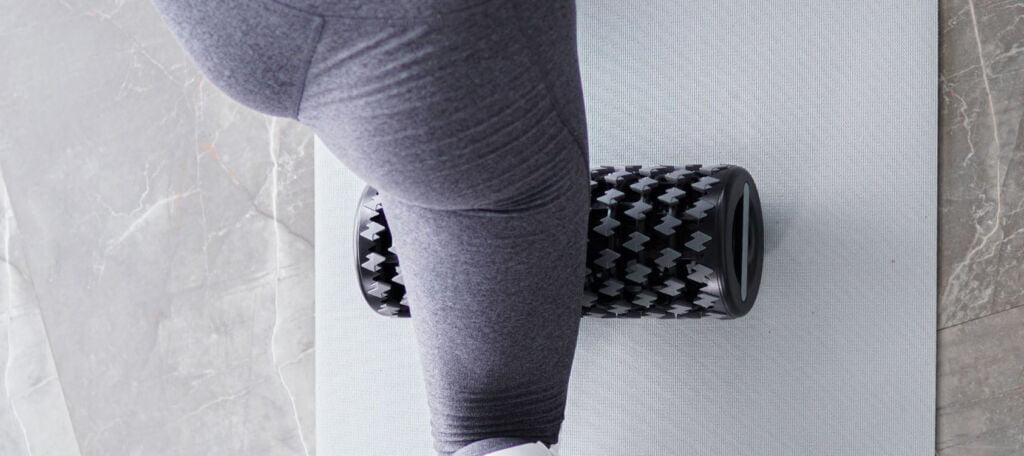
This article is tailored to anyone interested in improving their overall fitness and well-being through foam rolling. Whether you’re a seasoned athlete or someone who’s just starting your fitness journey, understanding how to use a foam roller effectively can be a game-changer for muscle recovery, flexibility, and overall health.
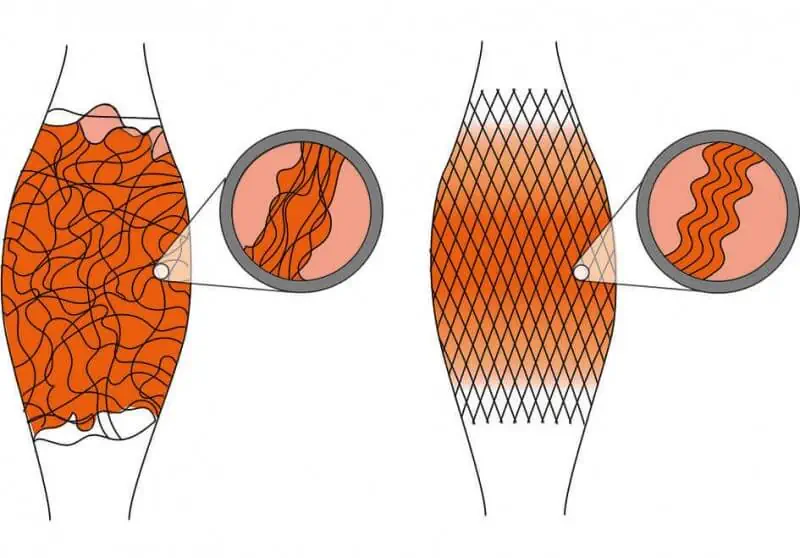
Foam rolling, often referred to as self-myofascial release, involves using a cylindrical foam roller to apply pressure to different muscle groups. It’s a practice that offers numerous advantages, including enhanced flexibility, reduced muscle soreness, and improved circulation. But to unlock these benefits, you need to know the right way to roll.

- Start Slowly: Begin with a slow, controlled movement over the targeted muscle. It’s essential to roll at a pace that allows your muscles to adapt to the pressure gradually.
- Focus on Tight Spots: Pay attention to areas of tension or soreness. When you encounter a tight spot, spend some extra time rolling over it. This can help release knots and improve muscle flexibility.
- Use Your Body Weight: Apply gentle body weight pressure on the roller. Don’t press too hard; it should be somewhat uncomfortable but not painful. If you’re in pain, you’re likely rolling too aggressively.
- Breathe and Relax: Remember to breathe deeply and relax your muscles as you roll. Tension can counteract the benefits of foam rolling, so stay relaxed for optimal results.
- Target Different Muscle Groups: Explore various muscle groups, including your back, legs, arms, and even your neck. Each area may require different techniques and angles to effectively release tension.

Now that you know the basics, let’s delve into some common foam roller exercises:
- Upper Back Roll: Sit with the foam roller behind you, then roll back and forth to target the upper back and shoulders.
- Quad Roll: Lie face down and place the roller under your thighs. Roll from your hips to just above your knees to relieve tension in your quads.
- IT Band Roll: Lie on your side with the roller under your hip. Roll from your hip to just above your knee to address tight IT bands.
- Calf Roll: Sit on the floor with your legs extended and the roller under your calves. Roll from your ankles to just below your knees to release calf tension.
- Glute Roll: Sit on the roller with one ankle crossed over the opposite knee. Shift your weight to one side and roll over your glutes to alleviate tightness.
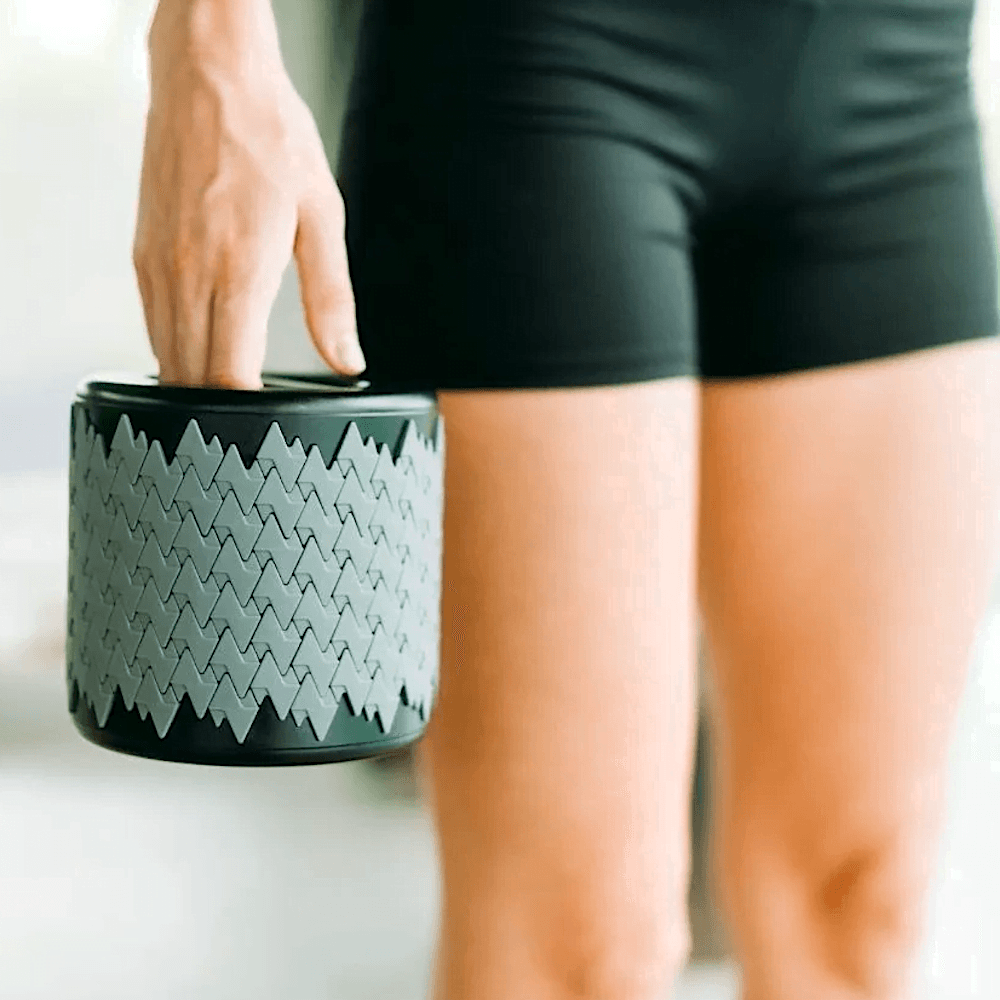
Foam rolling offers a myriad of benefits, including:
- Improved Flexibility: Regular foam rolling can increase muscle elasticity, enhancing your overall flexibility.
- Muscle Recovery: It aids in muscle recovery by reducing post-exercise soreness and promoting faster healing.
- Better Circulation: Foam rolling increases blood flow to muscles, which can help in reducing muscle tightness.
- Injury Prevention: By addressing muscle imbalances and tightness, foam rolling can lower the risk of injuries.
- Enhanced Performance: Athletes often use foam rolling to improve their performance and range of motion.

In addition to the basics, there are various foam rolling techniques to target specific issues and enhance your fascia training:
- Longitudinal Massage: Roll back and forth along the length of a muscle fiber to warm up or aid in recovery.
- Cross-Friction: Apply horizontal pressure to target connective tissue, ideal for damaged or painful tissue.
- Circular Massage: Use circular motions to massage a hotspot, boosting metabolism in that area.
- Pressure & Relaxation: Focus on a hotspot or trigger point and relax into the pain, reducing soft tissue tension.
- Pressure & Twisting: Apply pressure to a hotspot while twisting connective tissue in both directions.
- Pressure & Stretching: Apply pressure to a painful point while assuming a position that stretches the muscle.
- Pressure & Mobilization: Focus on a hotspot while generating movement in a joint close to the pain point.
- Pressure & Vibration: Combine pressure and vibration for relaxation and metabolic activation, often using a vibrating foam roller.
By incorporating these foam rolling techniques into your routine, you can target specific areas, alleviate muscle tension, improve flexibility, and enhance your overall fascia training. Whether you’re an athlete looking to optimize performance or someone seeking relief from muscle discomfort, these techniques can be a valuable addition to your foam rolling practice. So, roll on to a healthier you!
Conclusion
Now that you’ve unlocked the secrets of foam rolling, you’re equipped with a valuable tool to enhance your fitness journey. Remember to use proper techniques, target different muscle groups, and stay consistent with your foam rolling routine. By doing so, you’ll experience improved flexibility, reduced muscle soreness, and an overall sense of well-being. Foam rolling is a practice that can benefit individuals of all fitness levels, so roll on to a healthier you!


Can Maingaining and calisthenics for beginners build lean mass?
Maingaining and calisthenics for beginners unlock efficient, lean muscle gains with minimal fluff. This approach...
How do thoracic spine stretches relieve desk pain?
Thoracic Spine Stretches Guide Thoracic spine stretches are essential for anyone who sits all day....
How does maingaining build lean muscle without bulk?
maingaining: build lean muscle without excessive bulk Maingaining puts muscle gain first while limiting excess...
Milano Cortina 2026 Winter Olympics: new sports spotlight?
New sports at the Milano Cortina 2026 Winter Olympics Anticipation is building across the fanbase...
How does Omorpho G-Vest Icon boost conditioning?
Omorpho G-Vest Icon The Omorpho G-Vest Icon is a layerable weighted vest for real training....
Why thoracic spine stretches boost breathing and mobility?
thoracic spine stretches Thoracic spine stretches unlock a freer mid-back and better posture. Sit for...
What is maingaining in a 4-week plan?
maingaining: Build Lean Muscle While Staying Agile Maingaining marries steady muscle growth with athletic fitness,...
What are the true benefits of weight loss transformation?
A weight loss transformation can rewrite how you live and feel. It changes more than...