


Compression boots deliver targeted compression therapy to tired legs and feet. They speed post-workout recovery and ease soreness. For athletes and fitness enthusiasts, these recovery boots mimic a massage. They cycle air in chambers from calves to toes. Because sequential compression moves blood and lymph, swelling often drops. As a result, muscle soreness can fall and readiness improves.
Many models let you set mmHg, heat, and session length. Use them after hard sessions or briefly before workouts to prime muscles. However, experts advise waiting a few hours after intense sessions in some cases.
Beyond performance, compression boots support relaxation and nervous system downregulation. Therefore, they help sleep and long-term training consistency. They range from wireless portable units to full-body systems with app connectivity. Whether you chase records or daily vitality, compression boots offer a practical recovery tool. Start with short sessions, track how you feel, and adjust settings to match your goals.

Benefits of compression boots for performance and recovery
Compression boots provide practical recovery tools for athletes. They speed post-workout recovery and improve athlete regeneration. Because they use sequential compression, they promote blood flow and lymph drainage. As a result, swelling often reduces and soreness can ease within hours.
- Improved circulation and waste clearance. Sequential compression forces blood back toward the heart. Therefore oxygen and nutrients reach muscle tissue faster. This process helps remove metabolic waste and supports faster tissue repair.
- Reduced muscle soreness and swelling. Many users report less post-exercise ache. Moreover some studies suggest short-term relief from exercise induced muscle damage. For example, see research at PubMed.
- Faster readiness and performance enhancement. Use boots after hard sessions to recover sooner. As a result you can train more consistently without prolonged downtime. This contributes to measurable performance gains over time.
- Injury prevention and tissue health. By lowering fluid buildup and inflammation, boots can reduce strain on joints. Thus they support long term training continuity and help avoid flare ups.
- Nervous system downregulation and better sleep. Compression boots promote relaxation and parasympathetic activation. Consequently many athletes sleep better after a session, which aids recovery.
- Convenience, portability and battery life. Modern units include wireless designs and long battery life. Brands such as Normatec offer portable options and proven designs. Learn more at Normatec Recovery.
- Custom settings, app connectivity and data tracking. Most models let you pick mmHg, session length and heat. Therefore you can tailor sessions for warm up or cooldown. These features match varied recovery needs and personal goals.
If you want professional guidance, consult exercise specialists. The American Council on Exercise provides reliable recovery advice: ACE Fitness.
Use compression boots as part of a recovery plan. Combine them with other recovery tools like foam rollers and massage guns. As a result you build a practical routine that supports consistent progress and peak performance.
| Model | Brand | Price range | Pressure range (mmHg) | Key features | Battery life | User rating |
|---|---|---|---|---|---|---|
| Normatec 3.0 (Full Body) | Normatec | $1,400–$1,800 | Variable (device dependent) | Sequential compression, multiple attachments, established brand since 1998 | Wall-powered or portable battery options | 4.4/5 |
| Therabody JetBoots Prime | Therabody | $599–$799 | 20–100 | Bluetooth app, four pressure levels, heat, preset sessions | ~3+ hours | 4.2/5 |
| Hyperboot | Hyperice | $1,200–$1,800 | Up to 210 | Three compression settings, heat up to 125°F, robust build | ~2–3 hours | 4.0/5 |
| RecoveryAir Primes | RecoveryAir | $699–$999 | Up to ~120 | Targeted sequential compression, preset programs, travel friendly | ~3 hours | 4.1/5 |
| RecoveryPulse Calf Sleeve | RecoveryPulse | $149–$199 | ~20–80 | Calf-focused sleeves, lightweight, affordable | ~2–3 hours | 4.0/5 |
These recovery tools suit varied budgets and goals. Therefore pick a model that matches your performance enhancement and athlete regeneration needs.
How to choose compression boots: a practical guide
Picking the right compression boots matters for long term results. Start by matching goals, because your needs dictate the model. For example, travel recovery requires portability. Conversely serious athletes may want a full body system for athlete regeneration and performance enhancement.
Fit and sizing for compression boots
A correct fit ensures comfort and effectiveness. Check manufacturer sizing charts, and try boots if possible. Many models use adjustable straps, therefore they fit a range of calf sizes. Also consider sleeve style versus full boot, because sleeves target calves only.
Key fit tips
- Measure calf circumference and leg length before buying
- Pick adjustable designs for fluctuating swelling
- Choose full boot if you want ankle and foot compression
Technology and features to prioritize
Technology defines function and convenience. Look for adjustable mmHg settings, because pressure control matters for different sessions. Also prefer sequential compression for reliable blood flow. Bluetooth and app connectivity add tracking and presets. For trusted brand options, see Therabody and Normatec.
Important tech features
- Adjustable pressure levels and preset programs
- Heat and cooldown options for added recovery tools
- Battery life of three hours or more for portability
Comfort and durability
Comfort drives consistent use. Prioritize breathable materials and easy to clean liners. Also check weight and bulk, because heavy units discourage daily use. Durable zippers and reinforced seams extend lifespan, therefore lower lifetime cost.
Comfort checklist
- Breathable liners and soft collars
- Easy on off system for single person use
- Removable liners and washable fabrics
Price and value
Price varies widely, so weigh features versus cost. Higher cost often brings stronger warranties and service. However mid range models can offer solid performance enhancement for most athletes. Finally factor in accessories and replacement parts when estimating total value.
By following these steps you choose compression boots that match your training. Consequently you build a recovery routine that supports performance and consistency.
Compression boots offer athletes a practical way to speed recovery and reduce soreness. They improve circulation, help clear metabolic waste, and support nervous system recovery. As a result, athletes regain readiness faster and can train with more consistency. Because research on long term benefits remains limited, use boots as one recovery tool.
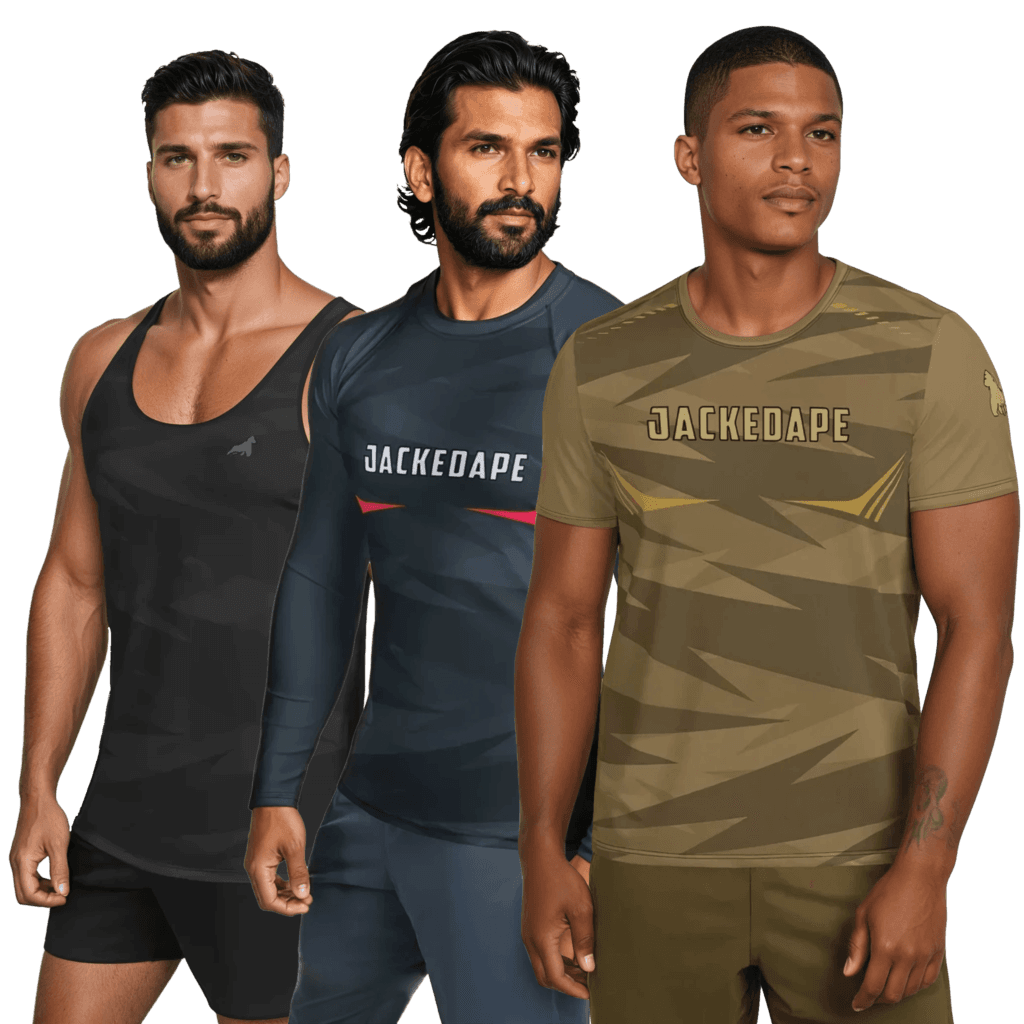
JackedApe backs that practical approach with high performance fitness and combat apparel. The brand blends tactical design with athlete feedback to build durable, functional gear. Feedback from real world athletes shapes each product, therefore performance and comfort improve. Explore JackedApe online at JackedApe. Shop the lineup at Shop JackedApe. Read product insights and athlete stories at JackedApe Blog.
JackedApe commits to lasting quality and functional details that stand up to training. Therefore pairing compression boots with rugged apparel supports consistent recovery habits. Start small, track results, and choose gear that helps you train smarter.
Frequently Asked Questions (FAQs)
How often can I use compression boots?
Many intense exercisers can use compression boots daily. However, listen to your body and start slowly. Dr. Giordano says daily use is acceptable for intense training. Ebenezer Samuel advises waiting a few hours after very intense workouts. Use short sessions at first and increase as needed.
Do compression boots speed long-term recovery?
Evidence is limited for long-term speedups. However, studies suggest short-term relief from exercise induced muscle damage. Therefore use boots for acute soreness and session-to-session recovery. For more on the research see this study.
Should I use compression boots before or after exercise?
Both can work, depending on goals. For warm up, use 10 to 15 minutes before training, as Dr. Renato Sanchez recommends. After training, use them to reduce soreness and swelling. However, avoid immediate use after maximal efforts if you want training adaptation.
How do I clean and maintain compression boots?
Wipe external surfaces after each use. Remove liners when possible and wash per instructions. Also store units in a cool dry place. For model specific care, check manufacturer sites like Normatec Recovery.
What features matter when buying compression boots?
Prioritize fit, adjustable mmHg, sequential compression and battery life. Also look for heat, app connectivity and warranty. Therefore pick a model that matches your training and travel needs.


Can Maingaining and calisthenics for beginners build lean mass?
Maingaining and calisthenics for beginners unlock efficient, lean muscle gains with minimal fluff. This approach...
How do thoracic spine stretches relieve desk pain?
Thoracic Spine Stretches Guide Thoracic spine stretches are essential for anyone who sits all day....
How does maingaining build lean muscle without bulk?
maingaining: build lean muscle without excessive bulk Maingaining puts muscle gain first while limiting excess...
Milano Cortina 2026 Winter Olympics: new sports spotlight?
New sports at the Milano Cortina 2026 Winter Olympics Anticipation is building across the fanbase...
How does Omorpho G-Vest Icon boost conditioning?
Omorpho G-Vest Icon The Omorpho G-Vest Icon is a layerable weighted vest for real training....
Why thoracic spine stretches boost breathing and mobility?
thoracic spine stretches Thoracic spine stretches unlock a freer mid-back and better posture. Sit for...
What is maingaining in a 4-week plan?
maingaining: Build Lean Muscle While Staying Agile Maingaining marries steady muscle growth with athletic fitness,...
What are the true benefits of weight loss transformation?
A weight loss transformation can rewrite how you live and feel. It changes more than...