






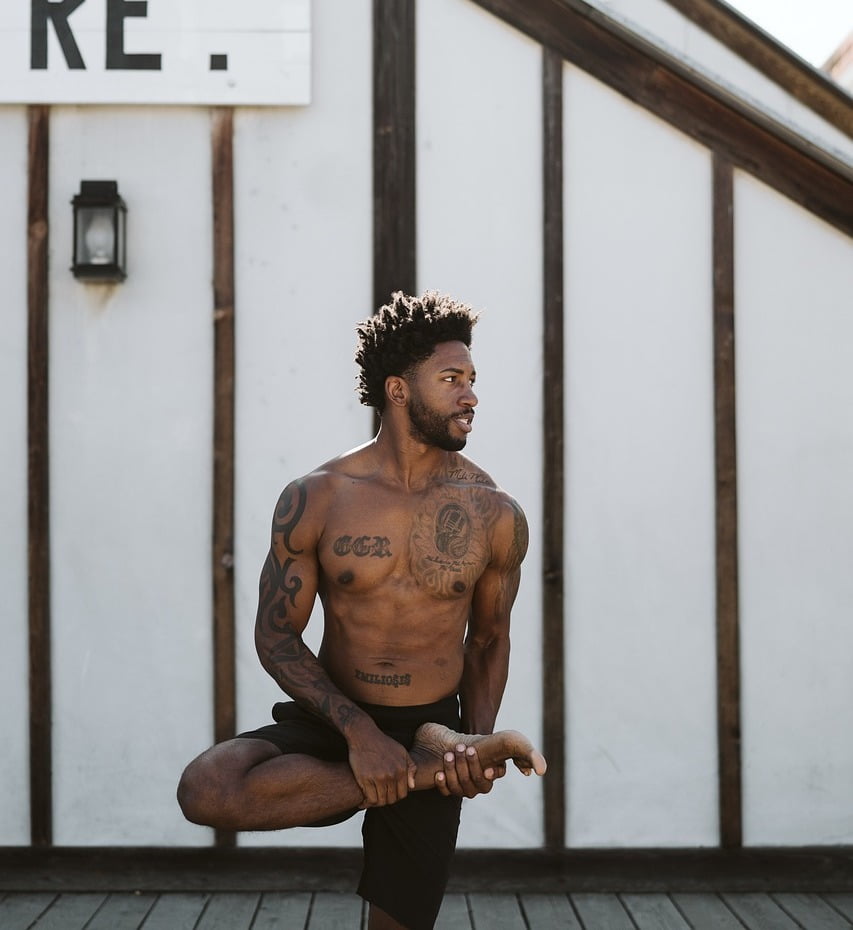
The pullup exercise proves power matters more than heavy weights. Because it uses your body as resistance, it builds relative strength. That strength transfers directly to daily tasks. Gymnasts and tactical athletes rely on it. They use it for core control, upper body density, and shoulder health. As a result, one movement can light up lats, traps, biceps, and forearms.
Start with a clear goal and steady progress. However, many people stall at two reps. You can move past that with bands or negatives. Therefore, practice mixed strategies such as assisted reps, chinup variations, and core bracing. Also, set your bar high for six clean reps before you start structured sets. With consistent effort, your V shape will sharpen. Your grip will harden and pulling power will grow. Above all, the pullup trains resilience, because it demands discipline and rewards measurable gains. Start today and track your progress. Persist.

Why the pullup exercise belongs in every routine
The pullup exercise builds real-world strength fast. Because it uses bodyweight, it develops relative strength. As a result, athletes and weekend warriors both benefit. It improves posture, grip, and core stability. Also, it creates that V-shape many lifters chase.
Key benefits explained
- Targets multiple muscle groups with one move. This includes the latissimus dorsi, trapezius, and rhomboids. It also engages the biceps and brachialis during the pull phase. Meanwhile, the forearms and grip get stronger from hanging and pulling.
- Improves upper body strength and power. Therefore you will lift heavier and move better in compound lifts. Because pullups demand full-body tension, they transfer to bench press and deadlift performance.
- Enhances functional fitness and daily performance. For example, climbing, lifting, and carrying tasks become easier. In addition, improved shoulder stability reduces injury risk.
Muscle groups targeted at a glance
- Lats and teres major for width
- Traps and rhomboids for upper back density
- Biceps, brachialis, and forearms for pulling power
- Core and subscapularis for torso stability
Progress tips and trusted resources
If you struggle with reps, use resistance bands or negatives. For step-by-step progressions, see Men’s Health at Men’s Health Guide and ACE Fitness at ACE Fitness Guide. Also, wear gear that moves with you like a Tactical – Athletic Sport T-Shirt and Tactical – Unisex Mesh Shorts. Stay hydrated during sets with a Juice Bottle – Mixer to Go.
| Variation | Difficulty | Targeted muscles | Recommended for | Primary benefits |
|---|---|---|---|---|
| Standard pullup | Moderate | Lats, rhomboids, traps, biceps, forearms, core | Beginners progressing to intermediate | Builds relative strength and scapular control |
| Chin-up | Moderate | Biceps, brachialis, lats, forearms, core | Beginners and lifters focusing on arm strength | Increases biceps engagement and vertical pulling power |
| Wide grip pullup | Hard | Lats, traps, rhomboids, teres major | Intermediate to advanced lifters | Emphasizes back width and upper back density |
| Weighted pullup | Very hard | Lats, traps, biceps, core, forearms | Advanced athletes and strength trainers | Adds overload for muscle size and maximal strength |
Proper form for the pullup exercise
Proper technique protects your shoulders and builds strength. Because form matters, focus on setup first. Stand under a stable bar and reach up with both hands. Grip the bar slightly wider than shoulder width.
Key movement cues
- Start from a dead hang with shoulders relaxed. Then pull your shoulder blades down and back. This scapular activation primes your lats.
- Lead with the elbows while pulling the chest to the bar. As a result, the lats do most work, not the arms.
- Finish with your chin over the bar. Then lower under control to full hang. Therefore maintain tension through the core and forearms.
- Use a steady tempo. Avoid fast, jerky reps. Also breathe out on the pull and inhale as you descend.
Tips for beginners
- Use resistance bands for assisted reps. Bands reduce load while you build strength.
- Practice negatives if you cannot pull up yet. Jump to the top, then lower slowly over four to six seconds.
- Train scapular pulls to strengthen initial engagement. They help bridge the gap to full reps.
- Keep sets short and frequent. For example, do three sets of three to five reps twice weekly.
Common mistakes and fixes
- Mistake: swinging or kipping when you should not. Fix: pause at the bottom and reset each rep.
- Mistake: flaring elbows outward excessively. Fix: tuck elbows slightly to protect shoulders.
- Mistake: using partial range of motion. Fix: reach full hang and chin-over-bar on each rep.
Follow these cues and progress slowly. However, push yourself consistently to grow stronger. Your pullup will improve with focused practice and patience.
Conclusion
The pullup remains one of the most efficient strength builders. Because it recruits so many muscles, it improves function and posture. As a result, it belongs in any serious routine.
JackedApe supports athletes who demand more. The brand designs tactical and high-performance apparel for training and the workplace. Their gear performs under stress and moves with intense sessions.
Also JackedApe collaborates with fighters and elite athletes. Therefore design choices reflect real training needs. This partnership ensures durability, fit, and practical features athletes actually use.
Check JackedApe for gear that matches your goals. Visit the website at JackedApe. Shop the collection at JackedApe Shop. Read training articles at JackedApe Blog. Follow updates on X at JackedApe on X.
Browse the blog for training tips and progressive pullup programming. Start today and let consistent effort shape your results. Train smart, stay consistent, and invest in gear that lasts. Your pullup progress will follow when you pair focus with the right tools.
Frequently Asked Questions (FAQs)
What are the main benefits of the pullup exercise?
The pullup builds relative strength quickly. Because it uses your bodyweight, it teaches efficient force production. It lights up lats, traps, rhomboids, biceps, forearms, and core. As a result posture and pulling power improve. Also your grip strength increases. Finally, it transfers to daily tasks and compound lifts.
How do I get started if I cannot do a full pullup?
Use resistance bands for assisted reps. Then practice negatives with a slow descent. Also add inverted rows and lat pulldowns to build strength. Train scapular pulls to improve initial engagement. For frequency, aim for two to three sessions per week. Keep sets short and focus on quality reps.
Which pullup variations should I try?
Try chinups for extra biceps engagement. Use wide grip to emphasize lats and upper back. Choose neutral grip to protect shoulders. Progress to weighted pullups for overload when ready. However, pick variations that match your goals and current strength.
How often should I train pullups and how should I program them?
Aim for two to four sessions weekly. Start with three sets of two to six reps. Then add volume gradually as you improve. Also include accessory work like rows and core drills. Therefore increase load or reps every one to three weeks.
Are pullups safe for my shoulders?
They are safe when you use proper form. Warm up the shoulders and scapula before heavy sets. Avoid uncontrolled kipping unless you train it. If you feel sharp pain, stop and consult a professional. As a result, you will build strength without risking injury.


Can Maingaining and calisthenics for beginners build lean mass?
Maingaining and calisthenics for beginners unlock efficient, lean muscle gains with minimal fluff. This approach...
How do thoracic spine stretches relieve desk pain?
Thoracic Spine Stretches Guide Thoracic spine stretches are essential for anyone who sits all day....
How does maingaining build lean muscle without bulk?
maingaining: build lean muscle without excessive bulk Maingaining puts muscle gain first while limiting excess...
Milano Cortina 2026 Winter Olympics: new sports spotlight?
New sports at the Milano Cortina 2026 Winter Olympics Anticipation is building across the fanbase...
How does Omorpho G-Vest Icon boost conditioning?
Omorpho G-Vest Icon The Omorpho G-Vest Icon is a layerable weighted vest for real training....
Why thoracic spine stretches boost breathing and mobility?
thoracic spine stretches Thoracic spine stretches unlock a freer mid-back and better posture. Sit for...
What is maingaining in a 4-week plan?
maingaining: Build Lean Muscle While Staying Agile Maingaining marries steady muscle growth with athletic fitness,...
What are the true benefits of weight loss transformation?
A weight loss transformation can rewrite how you live and feel. It changes more than...