







Introduction
Are you one of the many people currently experiencing shoulder pain? This widespread issue, affecting a significant portion of the population, can greatly impact daily activities and quality of life. In this guide, we explore what shoulder pain syndrome is, its symptoms, causes, and offer tips on both treatment and prevention.

Shoulder pain syndrome encompasses various types of pain stemming from the complex structure of the shoulder and its surrounding areas. This section delves into the intricate nature of the condition, examining how symptoms can originate from multiple sources, including the neck, the upper back, or even internal organs.

Symptoms range from dull aches to acute pain, often exacerbated during physical activities or at night. This segment outlines the variability in symptoms that might include radiating pain, loss of strength, and reduced mobility, affecting your ability to perform daily tasks effectively.
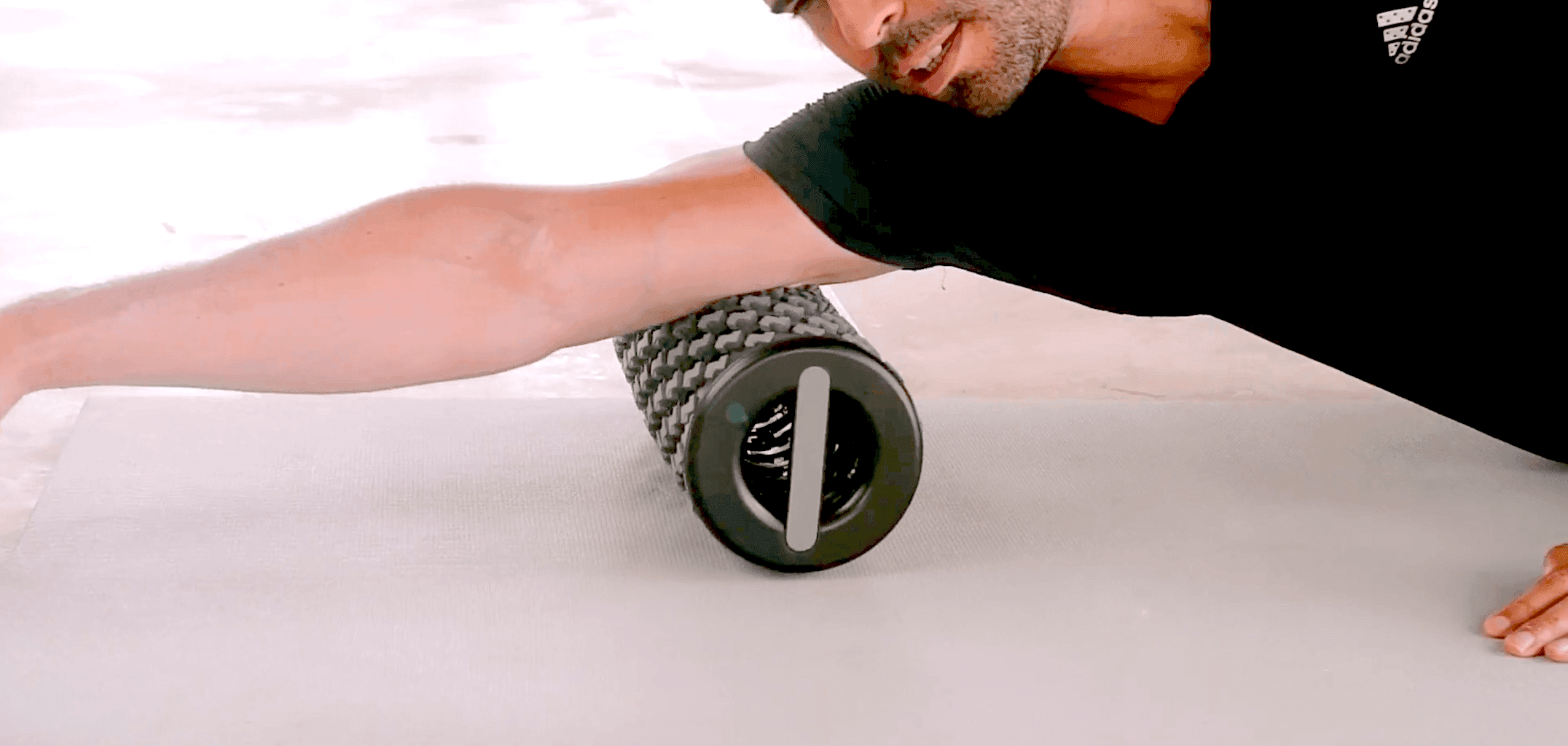


This final section focuses on strategies to prevent shoulder pain, emphasizing the importance of proper posture, reducing repetitive stress, and balancing muscle strength through targeted exercises. Adopting these preventive measures can significantly reduce the risk of developing shoulder pain.
Conclusion
Managing shoulder pain effectively requires an understanding of its causes and symptoms, alongside proactive measures for prevention and treatment. Whether you’re recovering from an injury or aiming to prevent one, this guide provides valuable insights to help you maintain shoulder health.
Shoulder pain can be triggered by a variety of issues including acute injuries like fractures or dislocations, chronic conditions such as arthritis or frozen shoulder, and even stress from repetitive motion or poor posture.
Yes, specific exercises designed to strengthen the shoulder muscles and improve flexibility can be highly effective in alleviating pain and restoring function, especially when combined with professional guidance.
Severe, persistent pain, inability to move the shoulder joint, visible deformities, or symptoms that do not improve with rest may indicate a serious condition that requires medical evaluation.
Avoid sleeping on the affected shoulder and try using a supportive pillow to maintain proper alignment of your spine. Consider sleeping on your back to distribute weight evenly.
Treatment can range from rest and ice to physical therapy and, in severe cases, surgical intervention. The best treatment plan should be tailored to the individual’s specific diagnosis and severity of pain.
If shoulder pain is severe, occurs after an injury, is accompanied by swelling or an inability to move the arm, or persists despite home treatments, it’s important to seek professional medical advice.
Improper posture can contribute significantly to shoulder pain and long-term joint issues. Maintaining a posture that keeps the shoulders back and aligned can help prevent problems.


Can Maingaining and calisthenics for beginners build lean mass?
Maingaining and calisthenics for beginners unlock efficient, lean muscle gains with minimal fluff. This approach...
How do thoracic spine stretches relieve desk pain?
Thoracic Spine Stretches Guide Thoracic spine stretches are essential for anyone who sits all day....
How does maingaining build lean muscle without bulk?
maingaining: build lean muscle without excessive bulk Maingaining puts muscle gain first while limiting excess...
Milano Cortina 2026 Winter Olympics: new sports spotlight?
New sports at the Milano Cortina 2026 Winter Olympics Anticipation is building across the fanbase...
How does Omorpho G-Vest Icon boost conditioning?
Omorpho G-Vest Icon The Omorpho G-Vest Icon is a layerable weighted vest for real training....
Why thoracic spine stretches boost breathing and mobility?
thoracic spine stretches Thoracic spine stretches unlock a freer mid-back and better posture. Sit for...
What is maingaining in a 4-week plan?
maingaining: Build Lean Muscle While Staying Agile Maingaining marries steady muscle growth with athletic fitness,...
What are the true benefits of weight loss transformation?
A weight loss transformation can rewrite how you live and feel. It changes more than...