






Sterling K. Brown Achilles tendon tear: Recovery, rehab, and what fans should know
Sterling K. Brown Achilles tendon tear: a headline that hits both fans and athletes. At 49 he suffered a torn Achilles in his left leg during basketball. Because the Achilles drives push off, this injury changes movement and sport performance. However, it also becomes a study in smart rehab and realistic activity choices. In this piece we unpack causes, rehab steps, and long term adaptations. We will hear insights from strength coaches and injury experts.
For context we contrast classic athletes like Kobe Bryant and modern protocols. Also we explain why men over 40 face higher ruptured Achilles risk. Because he had prior ACL injuries, the story gains extra complexity. As a result we cover career adjustments, stunt work, and mobility strategies.
Read on to learn rehab timelines, strength moves, and how to stay active safely. We also share practical rehab tools and recovery tech for everyday athletes. Stay hopeful.
Sterling K. Brown Achilles tendon tear: what the injury is
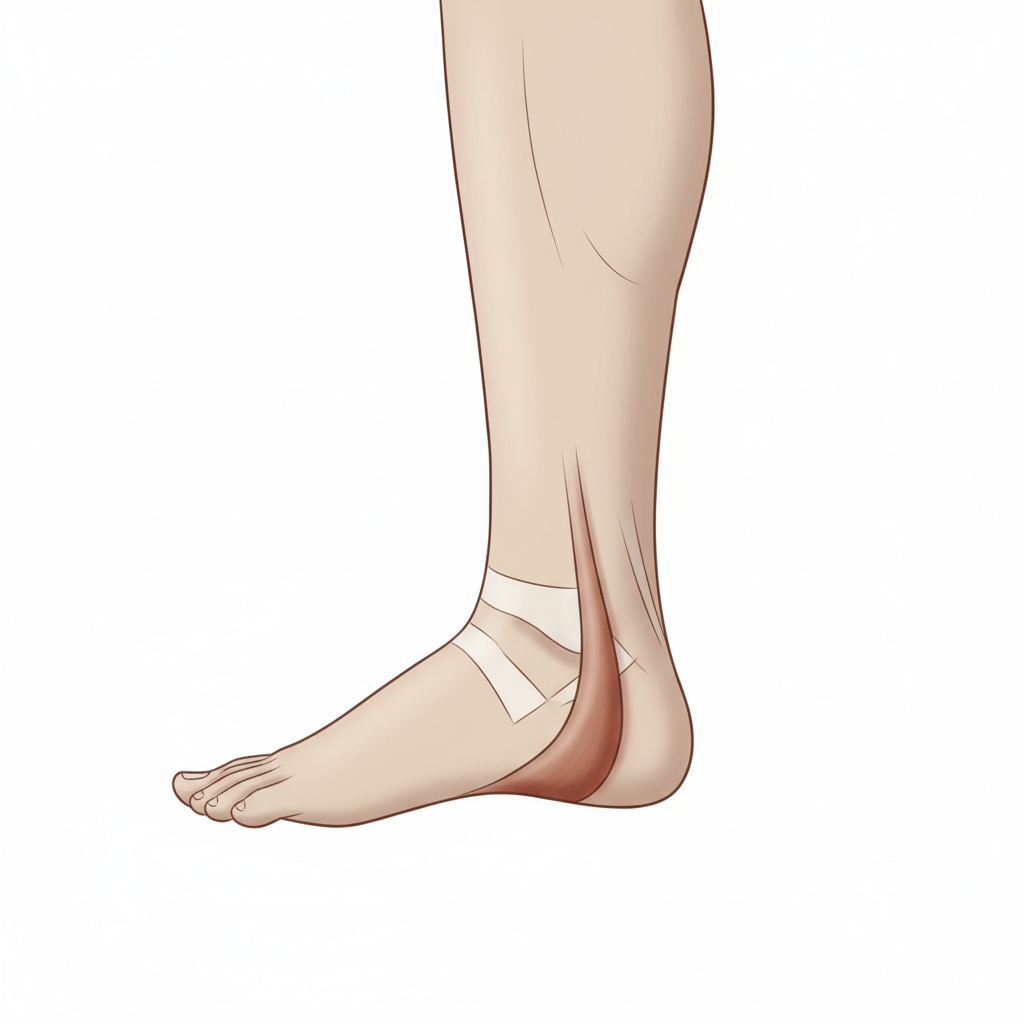
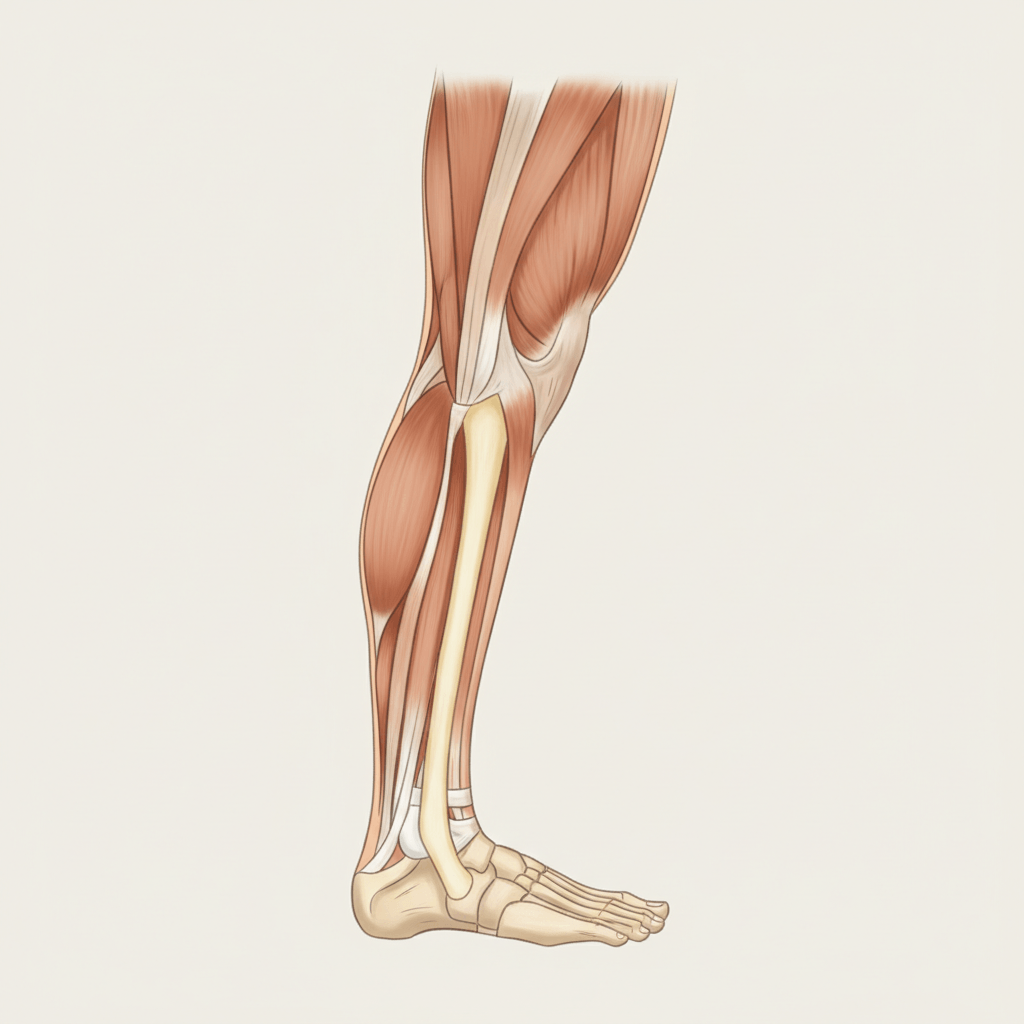
The Achilles tendon connects calf muscles to the heel bone. It helps you push off when running or jumping. When it tears, function drops sharply. For athletes and active people this injury limits speed and power. However, many recover with proper care and rehab.
What causes an Achilles tear
- Sudden forceful push off or jump, often during sports
- Rapid increase in training intensity or volume
- Age related tendon degeneration, especially men over 40
- Prior knee or ankle injuries that alter mechanics
- Certain medications or systemic conditions that weaken tendons
Why it matters to athletes and active people
A torn Achilles reduces ankle push off and agility. As a result, sprinting and cutting feel impaired. Because the tendon bears high loads, surgery or immobilization is often necessary. Recovery can take months, and full return needs staged strengthening.
Common symptoms
- A sharp snap or popping sensation in the heel area
- Sudden severe pain behind the ankle
- Difficulty standing on toes or pushing off
- Swelling and bruising near the heel
- A palpable gap in the tendon in some cases
Diagnosis and early care
Doctors use clinical tests and imaging to confirm rupture. For example, an ultrasound or MRI shows tendon separation. Initially, care focuses on pain control and immobilization. Then progressive loading begins under professional guidance.
For context, studies show higher rupture rates in middle aged men. See epidemiology research here epidemiology research and a clinical review here clinical review for deeper reading.
Practical rehab tools
Consider recovery tools that aid mobility and soft tissue work. For instance, the Ape Gun massage device Ape Gun massage device can help muscle recovery. Also try a FlexRoll foam roller for calf release FlexRoll foam roller. Finally, prioritize overall rest and gentle cross training and consider an EyeRelaxer for stress relief during long recovery days EyeRelaxer.
Related keywords: torn Achilles, rehabilitation, rehab, mobility, Achilles tendon rupture, age related tendon changes, calf strengthening, return to sport.
How the Sterling K. Brown Achilles tendon tear happened
Sterling K. Brown suffered the injury during a pickup basketball game. He scored 16 points before the incident. Then he felt a sudden, sharp snapping pain. He described it saying, “It felt like somebody stomped on the back of my foot with a cleat.” For context, Brown is 49 years old and he has two prior ACL injuries on the same leg. As a result, the event gained extra attention from fans and clinicians. Reported details come from a Men’s Health interview here.
Severity and medical treatment for Sterling K. Brown Achilles tendon tear
Medical teams typically confirm rupture with an exam and imaging. In Brown’s case, doctors diagnosed a full tear of the left Achilles tendon. Therefore, surgeons commonly recommend repair for active people. However, non-surgical care can suit some patients. Early steps include immobilization and pain control. Then clinicians start controlled weight bearing and rehab. Also, Brown shifted to more stunt double work for his show Paradise because of the injury.
Expected recovery time and staged return
A full recovery often takes four to twelve months. Initially, healing focuses on tendon repair and incision protection. Then physical therapy restores range of motion and strength. Progressive loading and calf strengthening follow. As a result, athletes regain power slowly over months. Brown plans to favor half court, three on three basketball to lower risk. For readers who want a deeper report, see the Men’s Health piece above here.
Quotes and quick facts
- “It felt like somebody stomped on the back of my foot with a cleat.” Source.
- Brown scored 16 points in the pickup game before the injury.
- He will rely more on a stunt double for Paradise season two on Hulu.
| Treatment | Typical recovery timeline | Pros | Cons | Best for |
|---|---|---|---|---|
| Surgical open repair | 4 to 6 months to return to activity; 9 to 12 months for full strength | Lower re rupture rates in some studies; direct tendon repair | Infection and wound risks; longer early immobilization | Young, high level athletes |
| Minimally invasive repair | 4 to 6 months to return; 8 to 10 months for full strength | Smaller wounds; faster early healing; less infection risk | Requires surgical expertise; some nerve injury risk | Active adults seeking less wound risk |
| Non surgical functional rehab (boot) | 4 to 6 months to return; 8 to 12 months for full strength | Avoids surgical complications; earlier mobility | Slightly higher re rupture risk for some patients | Older or low demand patients; surgical contraindications |
| Percutaneous repair | 4 to 6 months to return | Less invasive; smaller incisions | Limited visualization; operator dependent | Selected active patients |
| Adjuvant therapies (PRP, shockwave) | Variable, depends on protocol | May support healing when combined with rehab | Evidence mixed; not a standalone cure | Adjunct to rehab or surgery |
Recovery varies. Therefore discuss options with a trusted clinician. As a result plan rehab around staged loading, calf strengthening, and mobility work.
Conclusion
We reviewed the Sterling K. Brown Achilles tendon tear and what it means for athletes. First, we explained anatomy, causes, and key symptoms. Then we covered how the injury happened, medical options, and realistic recovery timelines. We also compared surgical and non-surgical paths. As a result, readers can weigh risks and plan rehab. Because tendon healing takes time, staged loading and strength work matter most.
Keep perspective and stay proactive in recovery. For athletes and fitness fans, this injury is a reminder to respect progressive training. At the same time, it does not end a career or active life. Therefore, adopt smart play, prioritize mobility, and follow clinical guidance.
JackedApe supports high performance training and focused recovery. Our gear matches intense workouts and rehab needs. Explore performance apparel, recovery tools, and training resources at JackedApe. Shop performance products and recovery devices at JackedApe Shop. Read more training and recovery articles at JackedApe Blog. Follow updates and community highlights on X at JackedApe on X.
If you are rehabbing an Achilles tear, consult clinicians and use proven rehab protocols. Stay disciplined and optimistic. With time and good care, you can return stronger and more resilient.
Frequently Asked Questions (FAQs)
What happened in the Sterling K. Brown Achilles tendon tear?
Sterling K. Brown tore the Achilles tendon in his left leg during a pickup basketball game. He scored 16 points before the injury. Then he reported a sharp snapping pain. Because he is 49 and has prior ACL injuries, the event drew extra concern. However, he has adapted activity and relied more on stunt doubles for work.
How severe are Achilles tendon tears generally?
Severity varies from partial to full rupture. A full tear often needs surgical repair for active people. In contrast, some partial tears respond well to functional rehab in a boot. Therefore diagnosis with clinical tests and imaging guides the treatment plan.
What is the typical recovery timeline after an Achilles tear?
Recovery usually spans months, not weeks. Initially healing takes six to twelve weeks. Then progressive strength and load return over four to twelve months. As a result athletes need staged rehab, patience, and follow up care.
Can athletes return to play after this injury?
Yes, many athletes return to sport. However return depends on repair quality and rehab consistency. For example disciplined calf strengthening and mobility work speed recovery. Therefore plan a gradual, monitored progression back to full competition.
How can athletes reduce Achilles tear risk and aid recovery?
Follow these prevention and recovery tips:
- Warm up thoroughly and include calf activation drills
- Progress training volume slowly and avoid sudden spikes
- Maintain ankle mobility and calf strength
- Use appropriate footwear and modify high risk drills when needed
- Consult a clinician early if you feel persistent heel pain
These steps help lower injury risk. Also stay consistent with rehab if a tear occurs, because steady progress leads to better outcomes.


Can Maingaining and calisthenics for beginners build lean mass?
Maingaining and calisthenics for beginners unlock efficient, lean muscle gains with minimal fluff. This approach...
How do thoracic spine stretches relieve desk pain?
Thoracic Spine Stretches Guide Thoracic spine stretches are essential for anyone who sits all day....
How does maingaining build lean muscle without bulk?
maingaining: build lean muscle without excessive bulk Maingaining puts muscle gain first while limiting excess...
Milano Cortina 2026 Winter Olympics: new sports spotlight?
New sports at the Milano Cortina 2026 Winter Olympics Anticipation is building across the fanbase...
How does Omorpho G-Vest Icon boost conditioning?
Omorpho G-Vest Icon The Omorpho G-Vest Icon is a layerable weighted vest for real training....
Why thoracic spine stretches boost breathing and mobility?
thoracic spine stretches Thoracic spine stretches unlock a freer mid-back and better posture. Sit for...
What is maingaining in a 4-week plan?
maingaining: Build Lean Muscle While Staying Agile Maingaining marries steady muscle growth with athletic fitness,...
What are the true benefits of weight loss transformation?
A weight loss transformation can rewrite how you live and feel. It changes more than...