



Understanding Sterling K. Brown’s Achilles Injury
When news broke about Sterling K. Brown’s Achilles injury, fans paused. The image of him down on a pickup court spread fast. For many, it felt startling yet familiar because athletes over forty face similar risks. However, his story goes beyond a single moment.
Brown’s tear came during a friendly game with high school players. He scored 16 points before the injury occurred, which made the event more dramatic. As a result, his acting work needed adjustments. He relied more on a stunt double. Therefore, the injury has real implications for career and mobility.
This article examines the injury, possible causes, and evidence-based recovery steps. We explore rehab, rehabilitation strategies, and mobility drills that support healing. Also, we discuss how prior ACL injuries may affect outcomes. Along the way, strength coach insights and medical perspectives clarify the path forward. Read on for practical advice and hopeful stories of regeneration.
Sterling K. Brown Achilles injury explained
An Achilles tendon tear is a powerful, abrupt injury that disconnects the calf from the heel. In Sterling K. Brown’s case, the tear happened during a pickup basketball game. He scored 16 points before the injury and described the sensation as if someone stomped on the back of his foot with a cleat. As a result, the injury halted play and forced adjustments to his acting work, including using a stunt double on Paradise.
What the injury is
- The Achilles tendon links the gastrocnemius and soleus muscles to the calcaneus. A complete rupture separates those fibers and cuts force transfer from calf to foot.
- This injury often feels sudden and dramatic. Often, people report a popping sound at the moment of rupture and immediate weakness in push off.
Common causes and risk factors
- Sudden explosive movements such as jumping, sprinting, or rapid direction changes. These actions match the demands of pickup basketball and combat training.
- Age related tendon degeneration. Men over 40 have a higher risk because tendons lose elasticity with time.
- Prior knee or leg injuries that alter movement patterns. Brown had two prior ACL injuries on the same leg, which may have changed mechanics and load distribution.
- Medication and medical conditions. Certain antibiotics and systemic diseases can weaken tendons.
Symptoms to watch for
- A popping or snapping sensation at the back of the ankle.
- Sudden, severe pain and swelling near the heel.
- Difficulty walking or inability to push off with the forefoot.
- Visible gap above the heel in complete ruptures.
Why this matters for fitness and combat training
- High intensity drills and plyometrics recreate the same forces that tear the Achilles. Therefore, athletes and trainers must prioritize progressive loading and proper landing mechanics.
- Combat and contact training often include unexpected foot contacts and direction changes, which increases rupture risk. As a result, strengthening the posterior chain and improving proprioception is crucial.
- Tools like targeted muscle stimulators and deep tissue devices can support recovery and maintenance. For example, devices such as X Force Pro and Ape Gun help manage muscle tone and promote circulation during rehab.
Sources and further reading

Recovery timeline and rehabilitation after Sterling K. Brown Achilles injury
Acute phase 0 to 2 weeks
- Seek immediate medical evaluation to confirm the tear. If needed, imaging helps guide treatment.
- Protect the tendon with immobilization or boot. This reduces strain and controls swelling.
- Manage pain and inflammation with ice and elevation. Also follow your clinician’s medication advice.
Early rehab 2 to 8 weeks
- Begin controlled range of motion once cleared.
- Gentle ankle pumps and seated plantarflexion support tissue glide.
- Start partial weight bearing as tolerated. As a result, the tendon adapts to load.
Strengthening and loading 8 to 16 weeks
- Introduce eccentric calf loading such as slow heel drops. These exercises build tendon resilience.
- Add seated and standing calf raises. Then progress load and range slowly.
- Include hip and glute work to restore posterior chain strength. For example, targeted EMS for glutes helps maintain activation during reduced load. See X Tone – EMS Glutes Stimulator Device.
Advanced conditioning 4 to 6 months and beyond
- Progress to plyometrics and sport specific drills gradually.
- Monitor pain and swelling after sessions. If symptoms return, reduce intensity.
- Return to full competition often takes six to twelve months. Recovery depends on age and prior injuries.
Surgery versus nonoperative care
- Surgery repairs a full rupture in many active people. However nonoperative protocols with early functional rehab succeed for select patients.
- Your orthopedic surgeon and physiotherapist decide based on tear size, activity goals, and health status.
How athletes maintain fitness during rehab
- Focus on upper body and core strength to preserve conditioning.
- Use low impact cardio such as rowing, cycling, or pool work to keep aerobic fitness.
- Employ isometric lower limb work and neuromuscular drills to limit muscle loss.
Final note
- Athletes like Sterling K. Brown adapt by prioritizing progressive loading and smart cross training.
- Therefore, a staged plan helps protect long term function and career demands.
| Method | Advantages | Disadvantages | Typical recovery time | Suitability for athletes |
|---|---|---|---|---|
| Conservative care (rest, boot, physiotherapy) | Lower surgical risk. Good for some tears. Preserves tissue. | Higher re-rupture risk in active patients. Slower force return. | 3 to 6 months for function. 6 to 12 months for full sports return. | Best for low demand patients. Some athletes use it with careful rehab. |
| Surgical repair (open or percutaneous) | Restores tendon continuity. Lower rerupture rates for athletes. Enables earlier loading. | Surgical risks: infection, nerve injury, adhesions. Needs incision care. | 4 to 6 months to resume training. 6 to 12 months for competition. | Often recommended for young and competitive athletes. Good for actors needing quicker return. |
| Experimental treatments (PRP, stem cells, augmented repairs) | Potential to boost healing and reduce scar. May shorten recovery. | Limited evidence. Variable protocols. Insurance may not cover. | Varies widely. Often adjunct to surgery or rehab. | Consider in clinical trials or specialist centers. Not first line. |
Understanding Sterling K. Brown Achilles Injury
Understanding Sterling K. Brown Achilles injury matters for athletes and everyday lifters. His experience shows how a single moment can change mobility and career plans.
Injury education helps you spot risks early. Therefore, you avoid unnecessary setbacks. Also, staged rehab and smart loading protect long term function.
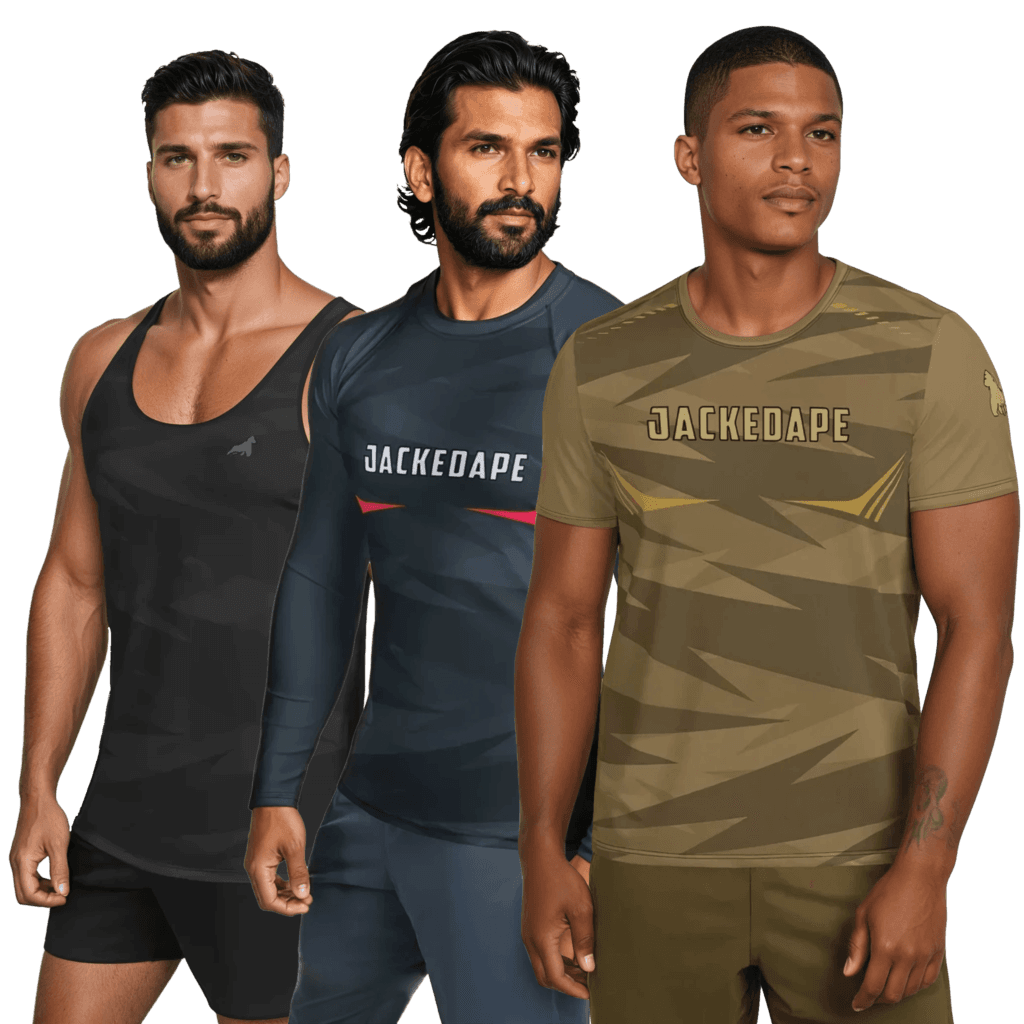
JackedApe supports serious athletes through durable, tactical apparel and recovery gear. Our products back training, rehab, and performance. We collaborate with fighters and athletes to refine fit and function. As a result, gear meets real world demands.
Explore our tools and recovery devices in the JackedApe product line. Visit our website for full collections and specs JackedApe’s Website. For in depth articles and recovery guides, see our blog JackedApe Blog. To shop recovery devices and tactical fitness gear, browse JackedApe Shop.
If Sterling K. Brown’s story teaches one thing it is this. Be proactive about tendon health. Train smart, adapt when needed, and use the right gear to support your comeback.
Frequently Asked Questions (FAQs)
What happened in the Sterling K. Brown Achilles injury?
Sterling K. Brown tore the Achilles tendon in his left leg during a pickup game. He had scored 16 points before the event. He is 49 and previously suffered two ACL injuries on that same leg. As a result, his acting work required more use of a stunt double.
How serious is an Achilles tendon tear?
An Achilles tear is often sudden and disabling. It reduces push off and ankle strength immediately. However, many athletes recover well with proper care and time.
How long does recovery usually take?
Typical timelines range by treatment and person. Most return to training around four to six months. Full sport readiness often takes six to twelve months. Because age and prior injuries matter, timelines vary.
Does every rupture need surgery?
Not always. Surgeons may repair active patients to lower rerupture risk. Nonoperative protocols work for select people with close rehab.
How can athletes prevent Achilles injuries?
- Progress plyometrics and sprint work gradually
- Prioritize eccentric calf strengthening and mobility
- Warm up thoroughly and maintain ankle proprioception
- Cross train and manage load to avoid spikes
- Use recovery tools and targeted soft tissue work to support tendon health


Can Maingaining and calisthenics for beginners build lean mass?
Maingaining and calisthenics for beginners unlock efficient, lean muscle gains with minimal fluff. This approach...
How do thoracic spine stretches relieve desk pain?
Thoracic Spine Stretches Guide Thoracic spine stretches are essential for anyone who sits all day....
How does maingaining build lean muscle without bulk?
maingaining: build lean muscle without excessive bulk Maingaining puts muscle gain first while limiting excess...
Milano Cortina 2026 Winter Olympics: new sports spotlight?
New sports at the Milano Cortina 2026 Winter Olympics Anticipation is building across the fanbase...
How does Omorpho G-Vest Icon boost conditioning?
Omorpho G-Vest Icon The Omorpho G-Vest Icon is a layerable weighted vest for real training....
Why thoracic spine stretches boost breathing and mobility?
thoracic spine stretches Thoracic spine stretches unlock a freer mid-back and better posture. Sit for...
What is maingaining in a 4-week plan?
maingaining: Build Lean Muscle While Staying Agile Maingaining marries steady muscle growth with athletic fitness,...
What are the true benefits of weight loss transformation?
A weight loss transformation can rewrite how you live and feel. It changes more than...