






Running and Muscle Hypertrophy: A Harmonious Relationship
Running and muscle hypertrophy might seem like opposing goals. However, the relationship between the two is richer and more hopeful. This introduction lays out clear evidence and practical guidance.
Because sprinting, hill repeats, and high intensity interval running create powerful mechanical and metabolic signals, they can stimulate muscle growth in key muscles such as the quadriceps, glutes, and hamstrings, and increase capillarization and metabolic resilience; however, sustained strength or progressive overload remains the fastest route to large increases in muscle mass, and concurrent training strategies let you build endurance without sacrificing hypertrophy.
Therefore, this article blends science and coaching, offering evidence summaries, sample sessions, suggested finishers like EMOM rows or hill sprints, and home gym options including indoor rowing, resistance bands, and targeted strength lifts, so you can pursue muscle growth, improve VO2 Max, and keep training that feels joyful, sustainable, and yields measurable results for years to come today.
How Running and Muscle Hypertrophy Interact
Running can stimulate muscle growth, but the effect depends on intensity and training history. High intensity efforts produce greater mechanical stress. For example, a 2017 study found that untrained young adults increased vastus lateralis size by about 10 percent after ten weeks of high intensity interval running. The PubMed listing for that study is available here. Meanwhile, a 2021 systematic review in Sports Medicine found that doing aerobic work alongside strength training does not harm hypertrophy gains. Read the review at this link.
Key physiological drivers
- Mechanical tension: Sprinting and hill repeats create high force per step. Therefore, they recruit fast twitch fibers. That recruitment promotes muscle protein synthesis.
- Metabolic stress: Intervals increase metabolic demand and hormones. As a result, those signals can support growth.
- Impact and impulse load: Running generates brief but high impact loads. For example, impacts can reach four to six times body weight. Because of that, bone and connective tissues adapt as well.
- Population specificity: Untrained athletes respond fastest. However, well trained runners need high intensity or added resistance to see hypertrophy.
Practical Running and Muscle Hypertrophy Strategies
Use focused sessions to favor muscle growth. Start with two to three short, high intensity sessions per week. For practical drills consider hill sprints, track repeats, and sprint intervals.
Coaching tips
- Do 6 to 10 maximum effort hill sprints with full recovery between efforts. Walk back down for recovery.
- Add short, heavy intervals of 30 to 60 seconds at near maximal effort. Then recover several minutes.
- Pair running with twice weekly strength sessions for progressive overload. The Sports Medicine review supports this approach.
- Finish sessions with 5 to 10 minutes of EMOM rows at high intensity to tax legs and posterior chain.
- Use resistance bands for targeted work on glutes and hips. See ElasticBands silicone bands.
In short, running and muscle hypertrophy can coexist. However, you must choose the right intensities and combine modalities to maximize gains.

Comparing Running to Other Exercises for Muscle Growth
Running builds functional leg strength, but it differs from other modes. However, the amount of hypertrophy varies with intensity and training background. For example, untrained young adults increased quadriceps size by about 10 percent after ten weeks of high intensity interval running. See the study at this study. Meanwhile, a 2021 systematic review found that combining aerobic and strength work does not hinder hypertrophy gains. Read the review at this review.
Running and Muscle Hypertrophy Versus Weightlifting
- Benefits: Running recruits fast twitch fibers during sprints. Therefore, it promotes lean mass in legs. Weightlifting provides direct progressive overload. As a result, it is superior for targeted hypertrophy.
- Limitations: Running delivers brief impulse loads per step. Thus, time under tension remains low. In contrast, lifting allows controlled eccentric loading and set volume.
- Practical takeaways: Pair sprint work with two weekly strength sessions. Because of that, you can keep endurance while adding muscle.
Running and Muscle Hypertrophy Versus Cycling and Swimming
- Cycling benefits: It stresses quads and glutes with low impact. Therefore, it suits injured athletes and older adults. However, cycling often lacks the eccentric stress for large hypertrophy.
- Swimming benefits: It builds muscular endurance and upper body tone. Meanwhile, swimming gives less external load for large mass gains. Thus, swimmers often need strength work to increase muscle size.
- Practical takeaways: Use intervals on bike or pool sprints to increase intensity. Then add resistance training for progressive overload.
| Exercise | Benefits for muscle growth | Limitations | Muscle growth potential |
|---|---|---|---|
| Running (sprints and HIIT) | High force per step and fast twitch recruitment | Low time under tension in steady runs | Moderate with high intensity or added resistance |
| Weightlifting | Direct progressive overload and eccentric control | Requires gym or equipment | High when programmed correctly |
| Cycling | Low impact, high volume for quads | Less eccentric load | Low to moderate with heavy efforts |
| Swimming | Full body endurance and upper body tone | Low external load for mass | Low unless paired with strength work |
In short, running can contribute to muscle growth. However, weightlifting remains the clearest path to large hypertrophy. Therefore, combine high intensity runs with strength work to get the best of both worlds.
Nutrition and Training Tips to Maximize Muscle Growth from Running
To get the most from running and muscle hypertrophy you need smart nutrition and targeted training. Eat to support repair and growth. Then pair that fuel with strength work and recovery strategies to drive gains.
Protein and calories
- Aim for 1.4 to 2.0 grams of protein per kilogram per day because this range supports muscle repair and growth. See the ISSN position stand.
- Space protein evenly across the day. For example, aim for 20 to 40 grams every three to four hours. Research on per meal dosing is at this study.
- Eat a slight caloric surplus when your primary goal is hypertrophy. However monitor body composition and adjust as needed.
Training and session design
- Do two resistance sessions per week to provide progressive overload. Focus on squats, hip hinge, and lunges to match running demands.
- Include 1 to 2 high intensity sprint sessions weekly because they recruit fast twitch fibers.
- Use compound lifts with controlled eccentric phases to increase time under tension and muscle damage.
Recovery and supplements
- Prioritize sleep of seven to nine hours because growth hormone and repair occur during deep sleep.
- Use planned easy days and active recovery to reduce injury risk while supporting adaptation.
- Consider creatine monohydrate for strength and lean mass gains. It is well studied and safe for most people.
Simple plan example
- Day one: sprint work and mobility
- Day two: heavy lower body lift and protein rich meals
- Day three: easy run and foam roll
- Day four: interval run and upper body strength
Follow these tips because they make your running more muscle friendly and sustainable.
CONCLUSION
Running can support muscle growth when you train with intention. High intensity runs and hill sprints recruit fast twitch fibers. As a result, untrained athletes often see quick gains. However, running rarely matches the hypertrophy potential of targeted strength training. Therefore, combine running with progressive overload to maximize muscle size and performance.
Follow evidence based habits because they speed adaptation and reduce injury risk. Prioritize protein, sleep, and two weekly strength sessions. Then use sprint intervals and EMOM finishers to keep training specific to running demands. Also, use resistance bands and compound lifts to increase time under tension.
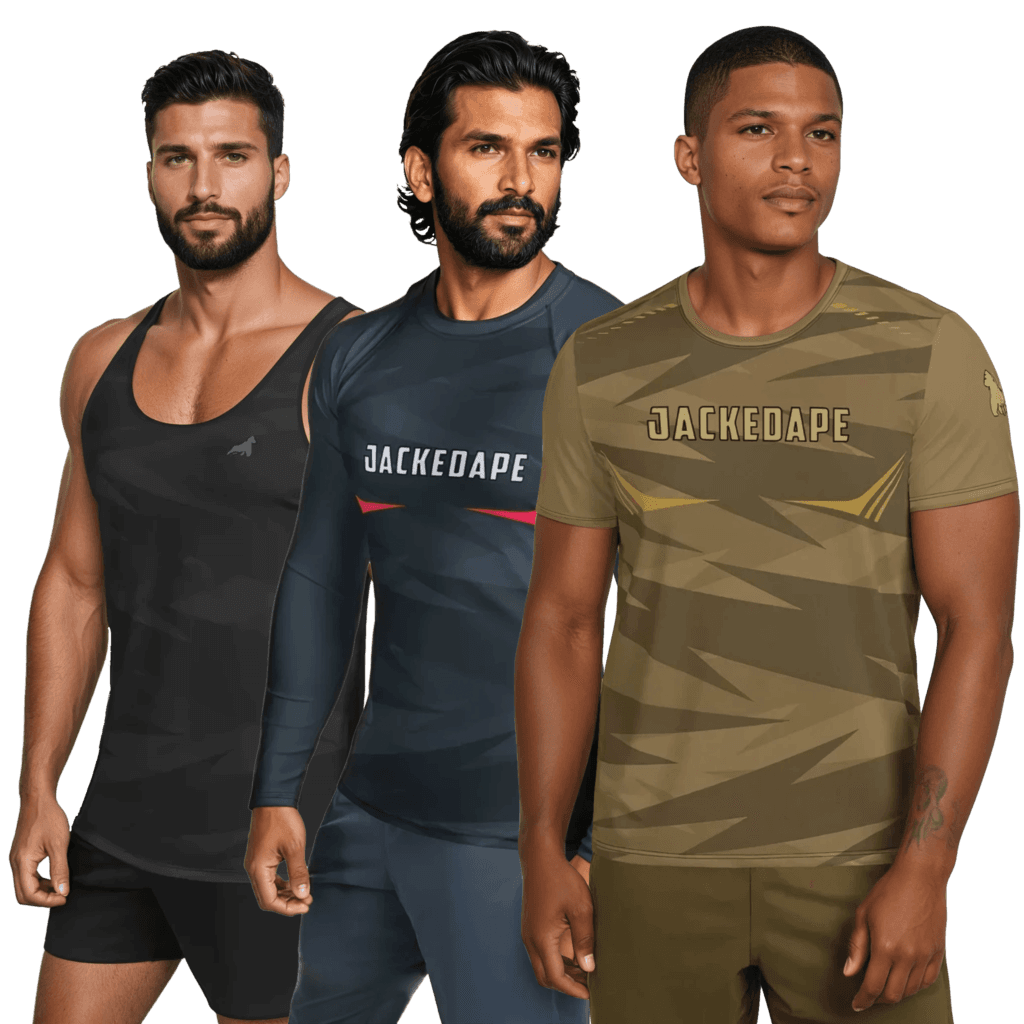
JackedApe supports athletes who train with intensity and live with purpose. The brand offers high performance fitness and combat apparel built for hard training and long days. Visit the site for gear and apparel at JackedApe. Shop training essentials directly at Training Essentials.
In short, running and muscle hypertrophy can coexist. Train smart, fuel well, and stay consistent. You will see meaningful, lasting results.
Frequently Asked Questions (FAQs)
Can running alone build significant muscle?
Running can increase lean mass, especially in untrained people. However, running rarely matches weightlifting for large hypertrophy. High intensity sprints and hill repeats give the best muscle stimulus from running.
Will long steady runs make me lose muscle?
Long, high volume runs can reduce muscle if you underfuel or stay in a calorie deficit. Therefore, maintain protein intake and do regular resistance work to protect muscle.
Are sprints better than long runs for hypertrophy?
Yes, sprints recruit fast twitch fibers and create greater mechanical stress. As a result, they produce more growth stimulus than low intensity steady running.
How do I combine running with strength training?
Separate hard runs and heavy lifts by several hours or days. Also, prioritize progressive overload in lifts and keep two weekly strength sessions for best results.
What nutrition helps muscle growth while running?
Aim for adequate calories and 1.4 to 2.0 grams of protein per kilogram daily. Also, prioritize sleep and consider creatine to support strength and lean mass gains.


Can Maingaining and calisthenics for beginners build lean mass?
Maingaining and calisthenics for beginners unlock efficient, lean muscle gains with minimal fluff. This approach...
How do thoracic spine stretches relieve desk pain?
Thoracic Spine Stretches Guide Thoracic spine stretches are essential for anyone who sits all day....
How does maingaining build lean muscle without bulk?
maingaining: build lean muscle without excessive bulk Maingaining puts muscle gain first while limiting excess...
Milano Cortina 2026 Winter Olympics: new sports spotlight?
New sports at the Milano Cortina 2026 Winter Olympics Anticipation is building across the fanbase...
How does Omorpho G-Vest Icon boost conditioning?
Omorpho G-Vest Icon The Omorpho G-Vest Icon is a layerable weighted vest for real training....
Why thoracic spine stretches boost breathing and mobility?
thoracic spine stretches Thoracic spine stretches unlock a freer mid-back and better posture. Sit for...
What is maingaining in a 4-week plan?
maingaining: Build Lean Muscle While Staying Agile Maingaining marries steady muscle growth with athletic fitness,...
What are the true benefits of weight loss transformation?
A weight loss transformation can rewrite how you live and feel. It changes more than...