





sumo deadlift: Master the Technique for Maximum Strength
The sumo deadlift is a game changer for raw strength. Because it uses a wide stance and narrow grip, you shorten the pull. This short range of motion lets you move bigger weights. Therefore you build confidence and raw power quicker than before. However, form matters more than heavy loading or ego.
Keep tension, set the lats, and keep the bar close to your shins. As a result, your glutes and hamstrings take the driving role. Hips should sit lower than shoulders to avoid lower back leverage. In this guide you will learn cues and common form fixes. You will also learn sample loads and cyclical programming tips.
Because habits formed at 135 and 225 scale to 315 and 405, practice deliberate reps. Follow clear steps and you will protect your back and hit PRs. Moreover, this lift translates to better deadlift performance and athleticism. Read on to master stance, tension, and bar path for maximum strength.
Sumo deadlift: Setup and foot placement
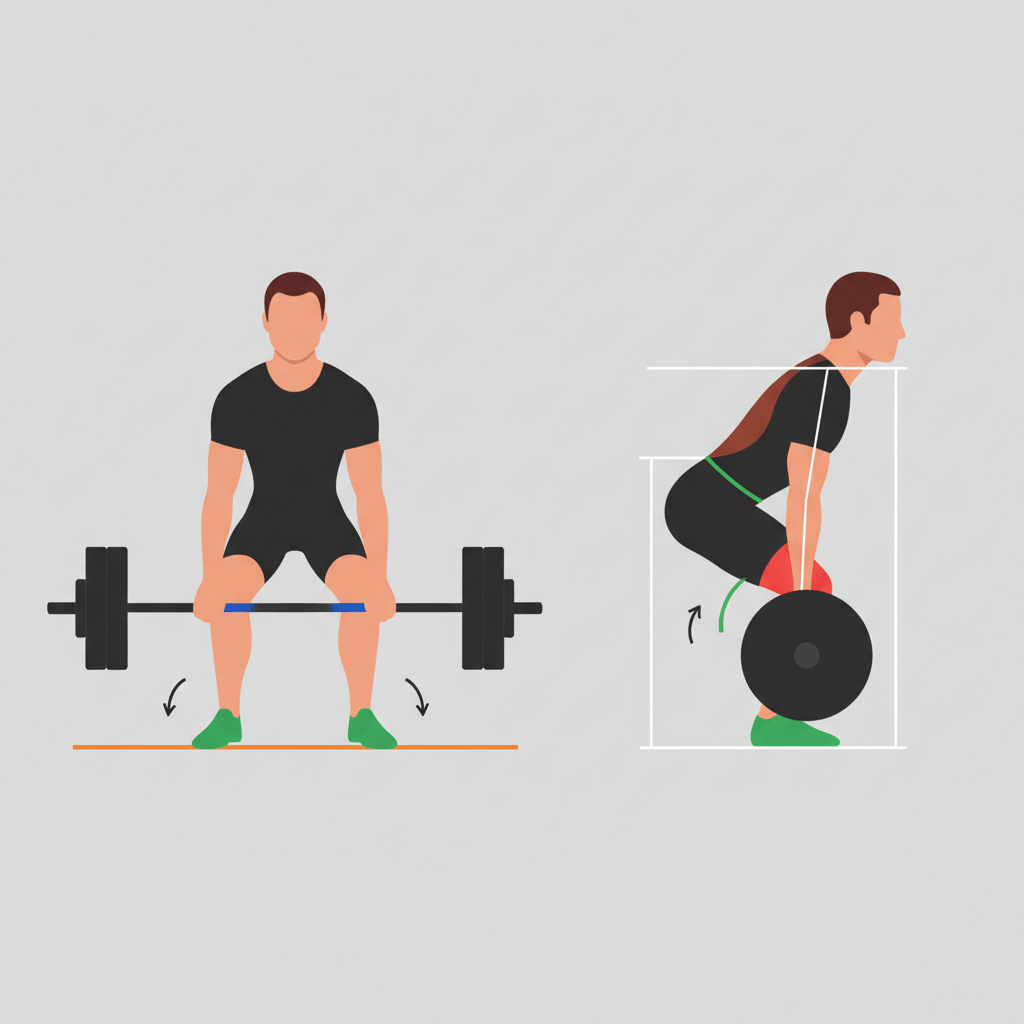
Start with your feet wide and toes angled out slightly. Place the bar over the midfoot so it stays close. Grip the bar with a narrow hand position inside the legs. As a result, you shorten the range of motion and shift load to the hips.
Set your chest up and pull your lats tight. Keep your hips lower than your shoulders. That cue helps the glutes and hamstrings lead the pull. Also, brace your core and hold tension from the floor.
Sumo deadlift: The pull and lockout
Drive through the heels and push the floor away. Keep the bar scraping your shins so it stays tight. Extend the hips and knees together, not one after the other. Therefore you avoid making the lower back the lever.
At lockout, squeeze the glutes hard. Pause briefly and then lower with control. Maintain tension on the descent because it builds durable habits.
Step by step checklist
- Stand with a wide stance, feet outside shoulder width.
- Point toes slightly outward to match knee tracking.
- Grip the bar narrow, hands inside the knees.
- Set the lats and chest up before lifting.
- Keep hips lower than shoulders at setup.
- Push through heels and keep bar close to shins.
- Extend hips and knees together until lockout.
- Lower with control while holding tension.
Common mistakes and fixes
- Losing tension before the pull leads to weak reps. To fix it, reset lats and breathe into your belly.
- Raising the glutes too early makes the back the lever. Instead, think of driving the hips forward and up together.
- Letting the bar drift away from the body increases strain. Therefore keep the bar scraping the shins for a straight path.
Expert voice and programming tips
Coaches like Ebenezer Samuel and Brett Williams stress tension and bar path. For more on cues, see the Men’s Health guide. Also, train sumo in cycles. Maybe four or five weeks of four sets of six to eight reps, as recommended by coaches. Get good habits at light loads like 135 and 225. Then scale to 315 and 405 with confidence.
Accessory tools
Use wrist and grip tools to reinforce control. Try PowerWrist at Jacked Ape. Also use resistance bands like ElasticBands at Jacked Ape to practice tight lats and correct bar path.
| Style | Muscle groups targeted | Benefits | Common mistakes | Ideal lifter types |
|---|---|---|---|---|
| Sumo deadlift | Glutes, hamstrings, quads, inner thighs, lats | Shorter range of motion so you can move heavier loads. Less spinal shear. Emphasizes hip drive. | Losing tension before the pull. Hips rise first and make back the lever. Bar drifts away from shins. | Powerlifters. Lifters with long legs. Anyone who wants bigger pulls with less range. |
| Conventional deadlift | Hamstrings, glutes, spinal erectors, lats, traps | Strong posterior chain carryover. Simpler foot placement. Good for building back strength. | Rounded lower back under load. Bar too far from body. Early knee collapse. | Olympic lifters. Athletes needing posterior chain strength. People with shorter limbs. |
Training benefits of the sumo deadlift and practical tips
The sumo deadlift builds explosive hip power and leg drive. Because the stance shortens the pull, you can load heavier. As a result, you develop raw strength quickly. This translates to stronger lockouts and better athleticism.
Beyond numbers, sumo pulls protect the lower back when done correctly. Hips sit lower than shoulders, so the glutes and hamstrings lead the motion. Therefore you reduce spinal shear and train safer movement patterns.
Emotional payoff matters. Hit a new PR and you gain confidence. However, consistent, deliberate practice creates that progress. Use small wins—clean sets at 135 or 225—to build habits before chasing 315 and 405.
Practical performance tips
- Cycle your training for progress. Maybe four or five weeks on sumo, then rotate variations.
- Use four sets of six to eight reps for strength blocks to build size and control.
- Prioritize tension on every rep, even with light loads, to ingrain technique.
- Keep the bar close so it scrapes the shins and travels in a straight line.
- cue hips and knees to extend together; avoid hinging the hips first.
- Breathe into your belly and brace to protect the spine before each pull.
Deadlift variations and accessory work
Mix deadlift variations to fix weak links. Use Romanian deadlifts to strengthen hamstrings. Use paused sumo reps to improve the initial drive. Also include glute bridges and hamstring curls to support the lockout.
Powerlifting tips
When preparing for heavier lifts, test technique at lighter benchmarks first. Coaches warn against dropping the arms or losing tension under load. Therefore train disciplined sets and focus on repetition quality.
Motivational close
Start with confidence and patience. Because the sumo deadlift rewards consistency, small technical wins compound into big strength gains. Train smart, trust the process, and celebrate steady progress.
Conclusion
The sumo deadlift unlocks real strength gains and safer lifts. Because it shortens the pull, you move heavier weights. Therefore you build explosive hip power and improve lockouts. As a result, your overall deadlift performance and athleticism improve.
Technique beats ego every single session. Keep tension, keep the bar close, and let the hips drive. However, consistency and patience make the gains permanent. Train in cycles and use deliberate reps at lighter loads to build reliable habits.
JackedApe backs serious athletes with high performance fitness and combat apparel. Their gear fits training needs and withstands hard sessions. The brand crafts practical tools and apparel for lifters who push limits.
Ready to level up your deadlift and kit? Visit JackedApe to explore training gear and apparel. Shop performance products and accessories at JackedApe Shop. Train smart, trust the process, and chase steady progress.
FAQs: sumo deadlift — common questions
How should I set up for the sumo deadlift?
Stand with feet wide and toes angled out. Place the bar over the midfoot and grip inside your legs. Set the lats, keep hips lower than shoulders, and brace the core. Reset tension before every rep to build consistent technique.
What are the main benefits of the sumo deadlift?
The sumo deadlift shortens the pull and lets you move heavier loads. Therefore you develop explosive hip power and stronger lockouts. It also shifts stress to the glutes and hamstrings. As a result, you can often protect the lower back when done correctly.
Does the sumo deadlift increase injury risk?
No, not when you use proper cues and tension. However bad setup raises risk, especially for the lower back. Keep the bar close, scrape the shins, and drive hips and knees together. Also strengthen weak links with accessory work to stay resilient.
How often should I train the sumo deadlift?
Train the sumo deadlift in cycles for best progress. For example, try four to five weeks focused on sumo. Use four sets of six to eight reps during strength blocks. Then rotate deadlift variations to avoid plateaus.
Which lifters benefit most from sumo vs conventional?
Choose sumo if you have long legs or want a shorter range. Choose conventional for posterior chain carryover and shorter limbs. Mix deadlift variations to fix weak links and build balance. For grip and wrist control try PowerWrist. For lat tension practice with ElasticBands.


Can Maingaining and calisthenics for beginners build lean mass?
Maingaining and calisthenics for beginners unlock efficient, lean muscle gains with minimal fluff. This approach...
How do thoracic spine stretches relieve desk pain?
Thoracic Spine Stretches Guide Thoracic spine stretches are essential for anyone who sits all day....
How does maingaining build lean muscle without bulk?
maingaining: build lean muscle without excessive bulk Maingaining puts muscle gain first while limiting excess...
Milano Cortina 2026 Winter Olympics: new sports spotlight?
New sports at the Milano Cortina 2026 Winter Olympics Anticipation is building across the fanbase...
How does Omorpho G-Vest Icon boost conditioning?
Omorpho G-Vest Icon The Omorpho G-Vest Icon is a layerable weighted vest for real training....
Why thoracic spine stretches boost breathing and mobility?
thoracic spine stretches Thoracic spine stretches unlock a freer mid-back and better posture. Sit for...
What is maingaining in a 4-week plan?
maingaining: Build Lean Muscle While Staying Agile Maingaining marries steady muscle growth with athletic fitness,...
What are the true benefits of weight loss transformation?
A weight loss transformation can rewrite how you live and feel. It changes more than...