







High-Protein Recipes to Fuel Recovery and Muscle Growth
High-protein recipes are the backbone of strong recovery and steady muscle growth. For athletes and fitness lovers, protein rebuilds fibers after hard workouts, therefore speeding recovery. It also helps you feel full longer, so energy stays steady. When you meal prep smart, you save time and avoid junk food. This guide shows easy, tasty options that boost gains and speed repair. You will find breakfasts, snacks, and dinners to fit any plan. Because real food fuels real progress, every recipe balances taste and macros. As a result, recovery improves and performance climbs. Get ready to refuel, recover, and rise to new personal bests. We include vegetarian and omnivore options for every training style. Plus, meal prep tips save time and cut stress before workouts. Therefore, you can stay consistent and hit goals faster. Start with simple staples like protein-packed oats and savory egg bakes. Stay inspired, stay hungry, and celebrate progress along the way.
Benefits of High-Protein Recipes
High-protein recipes deliver big wins for athletes and fitness lovers. They support performance, recovery, and daily nutrition. As a result, you feel stronger and more resilient after workouts.
High-Protein Recipes for Muscle Growth
Protein provides building blocks for muscle repair and growth. Because of this, consistent protein at meals helps increase lean mass. Try protein-packed breakfasts and two-ingredient protein bagels for easy gains.
Benefits include
- Supplies amino acids for muscle synthesis
- Supports progressive overload and strength gains
- Complements resistance training for better results
Learn practical meal prep strategies at Jackedape’s Healthy Meal Prep Recipes to keep protein consistent.
High-Protein Recipes for Recovery and Sustained Energy
Protein reduces muscle breakdown after intense sessions, therefore speeding recovery. Additionally, protein paired with carbs replenishes glycogen stores. For sweet recovery snacks, explore high-protein holiday bakes at Jackedape’s High-Protein Holiday Baking Recipes or try small-batch treats at Jackedape’s Small-Batch High-Protein Sugar Cookies.
Quick wins
- Enhances repair, so you train more often
- Stabilizes blood sugar for steady energy
- Cuts cravings that cause poor food choices
High-Protein Recipes for Weight Management
Because protein boosts satiety, it supports fat loss and maintenance. Therefore, high-protein meals help control portions and reduce snacking. Try cottage cheese baked eggs, protein balls, or edamame salads for filling, nutrient-dense options. For evidence on protein needs, read Harvard’s Nutrition Source at Harvard’s Nutrition Source on Protein.
In short, high-protein recipes help build muscle, speed recovery, sustain energy, and manage weight. Use them daily for consistent progress and better performance.
High-Protein Recipes Ingredient Comparison
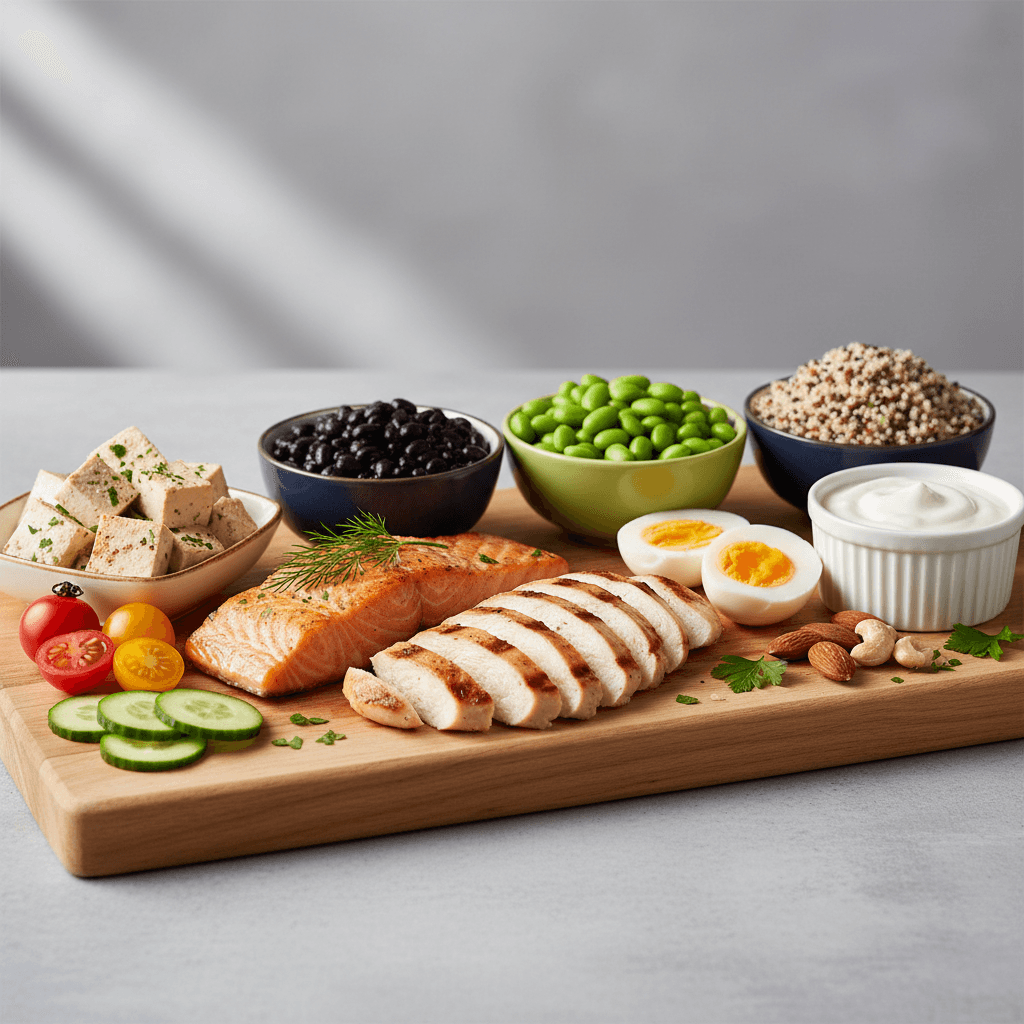
Choose ingredients that match your goals. For muscle and recovery, prioritize lean proteins and legumes. However, vary sources to get full amino acid profiles. As a result, your meals fuel both repair and performance.
| Ingredient | Protein per serving (g) | Nutritional benefits | Ideal uses |
|---|---|---|---|
| Chicken breast | 26 g per 3 oz | Lean complete protein, low fat, rich in B vitamins | Grilled, meal prep bowls, burritos |
| Salmon | 22 g per 3 oz | Omega three rich, heart healthy, complete protein | Seared, baked, salads |
| Greek yogurt | 20 g per cup | High in calcium, protein dense, probiotics | Smoothies, parfaits, sauces |
| Cottage cheese | 14 g per half cup | Casein rich, slow digesting, calcium source | Baked eggs, spreads, snacks |
| Eggs | 6 g per large egg | Complete protein, choline, versatile | Omelets, bakes, hard boiled snacks |
| Tofu | 8 g per three oz | Plant based, low fat, calcium and iron | Stir fries, scrambles, baked dishes |
| Lentils | 9 g per half cup cooked | Fiber rich, iron, complex carbs | Stews, salads, dals |
| Black beans | 8 g per half cup cooked | Protein and fiber, folate, budget friendly | Burritos, salads, soups |
| Quinoa | 8 g per cup cooked | Complete plant protein, magnesium, carbs | Bowls, salads, breakfast porridge |
| Edamame | 17 g per cup shelled | Protein rich, fiber, vitamins | Snacks, salads, grain bowls |
Use this table to pick staples for high-protein recipes that match your training and taste. Mix animal and plant proteins for variety and balance.
Top High-Protein Recipes for Every Time of Day
High-Protein Recipes for Breakfast
Start strong with a protein-packed breakfast. Overnight oats layered with Greek yogurt give creamy texture and slow-release protein. Two-ingredient protein bagels offer chewy comfort and quick carbs for morning lifts. Because breakfast sets your day, choose options that balance protein and carbs for sustained energy.
High-Protein Recipes for Lunch
Choose bright bowls and hearty wraps for noon refuels. Cashew crunch edamame salad packs plant protein and crunch, so it keeps you full through afternoon training. Buffalo chicken burritos deliver savory heat and about thirty grams of protein per serving. Additionally, swap quinoa for rice to add complete plant protein.
High-Protein Recipes for Dinner
Dinner should repair and replenish. Seared salmon with roasted vegetables provides omega three fats and muscle-building amino acids. Cottage cheese baked eggs make a cozy, high-protein casserole for evening recovery. As a result, you wake ready to perform the next day.
High-Protein Recipes for Snacks and Treats
Smart snacks keep gains steady between meals. Protein balls and protein bars pack portable protein for gym bags. Protein banana bread or protein muffins satisfy sweet cravings without derailing macros. For frozen options, try blueberry cheesecake protein popsicles after intense sessions.
Quick meal-prep tips
- Batch cook chicken and quinoa for grab-and-go bowls
- Portion protein balls into single serve containers
- Use cottage cheese as a creamy base in sauces and dips
These high-protein recipes fit training cycles and busy lives. Mix animal and plant proteins for variety and nutrient balance. Stay consistent and enjoy the delicious journey to stronger, faster recovery.
Conclusion
High-protein recipes are essential for recovery and steady muscle growth. They repair muscle tissue and let you train harder more often. Because protein stabilizes energy and reduces cravings, results last longer. As a result, consistent meal prep fuels both performance and confidence.
JackedApe aligns with athletes who live with intensity and purpose. Plus, the brand delivers high-performance fitness and combat apparel built for grit. Explore gear and tools at JackedApe. Grab recovery-friendly accessories like the Juice Bottle at Juice Bottle Mixer To Go. Read recipe inspiration and meal prep tips at JackedApe Blog.
Stay consistent and celebrate small wins every day. Therefore, fuel hard work with smart, tasty high-protein recipes. Train, refuel, and rise with purpose. We are cheering for your next personal best.
Frequently Asked Questions (FAQs)
How much protein should I aim for per meal when following high-protein recipes?
Aim for about 20 to 40 grams of protein per meal for most active adults. This range supports muscle repair and growth. However needs vary by body weight and training intensity. Speak with a coach or dietitian for exact targets.
Can high-protein recipes help with weight loss and satiety?
Yes. Protein increases fullness, so you eat fewer snacks. As a result, calorie control becomes easier. Choose lean proteins, legumes, and Greek yogurt to stay satisfied.
Are plant-based high-protein recipes as effective as animal-based options?
They can be. Combine beans, lentils, quinoa, and tofu for complete amino acids. Also vary your sources to meet micronutrient needs. In addition, edamame and cottage cheese alternatives boost protein density.
Can I meal prep high-protein recipes safely and for how long?
Absolutely. Cooked chicken and grains last three to four days refrigerated. Store baked items like pull-apart bread in an airtight container for up to three days. Freeze portions for longer storage when needed.
How should I balance carbs and fats with high-protein recipes?
Pair protein with carbs around workouts to refill glycogen. Include healthy fats for hormone support and joint health. For example, overnight oats with Greek yogurt fuel morning lifts, while salmon with roasted veggies aids evening recovery.
If you have more questions, tag your meal photos with #fitfoodiefinds and connect with the community.


Can Maingaining and calisthenics for beginners build lean mass?
Maingaining and calisthenics for beginners unlock efficient, lean muscle gains with minimal fluff. This approach...
How do thoracic spine stretches relieve desk pain?
Thoracic Spine Stretches Guide Thoracic spine stretches are essential for anyone who sits all day....
How does maingaining build lean muscle without bulk?
maingaining: build lean muscle without excessive bulk Maingaining puts muscle gain first while limiting excess...
Milano Cortina 2026 Winter Olympics: new sports spotlight?
New sports at the Milano Cortina 2026 Winter Olympics Anticipation is building across the fanbase...
How does Omorpho G-Vest Icon boost conditioning?
Omorpho G-Vest Icon The Omorpho G-Vest Icon is a layerable weighted vest for real training....
Why thoracic spine stretches boost breathing and mobility?
thoracic spine stretches Thoracic spine stretches unlock a freer mid-back and better posture. Sit for...
What is maingaining in a 4-week plan?
maingaining: Build Lean Muscle While Staying Agile Maingaining marries steady muscle growth with athletic fitness,...
What are the true benefits of weight loss transformation?
A weight loss transformation can rewrite how you live and feel. It changes more than...