





Athlete training and performance demands both grit and surgical planning. This piece guides tactical methods to boost endurance and skill. You will meet an NFL marathoner and a stunt performer who teach pragmatic lessons. They show how marathon training and stunt training overlap in conditioning. We unpack heart rate trends, HRV, and wearable readiness insights to sharpen preparation. Because data matters, we pair metrics with feeling and recovery cues.
You will learn how weekly mileage, pacing, and focused strength work combine. As a result, you will gain practical drills to build stamina and fluidity. We break down flexibility, breathing, and breath-hold strategies used on set. However, we never forget recovery, nutrition, and the small habits that compound. The tone stays tactical yet encouraging, with coach-forward advice and real race stories.
Expect concrete plans you can test in four weeks or less. Ultimately, this introduction sets the stage for purposeful, evidence-informed training that inspires action.
Key aspects of athlete training and performance
Athlete training and performance rests on five pillars. Each pillar guides daily choices. Together they form a tactical, high-performance plan.
Physical conditioning
- Build a base with progressive weekly mileage and strength work. For example, aim for 35 to 45 miles per week during focused blocks. Train endurance, speed, and power with interval sessions and tempo runs. Additionally, include compound lifts for athlete conditioning and injury prevention.
Mental toughness and mindset
- Train the mind like a muscle through visualization, goal setting, and process focus. However, avoid burnout by tracking perceived exertion and mood. Use performance optimization cues to shift from outcome fear to execution.
Nutrition and fueling
- Prioritize protein, quality carbs, and hydration for recovery and steady energy. For practical recovery recipes and protein ideas, read about cottage cheese recovery options at cottage cheese recovery options. Because cooking matters, try nutrient-dense sides such as caramelized onion mashed potatoes for regeneration: caramelized onion mashed potatoes.
Recovery and monitoring
- Schedule sleep, mobility, and active recovery days. Track HRV and heart rate trends to guide intensity. For practical fueling during busy weeks see practical fueling during busy weeks. Also, consult trusted guides on recovery science like Harvard Health at Harvard Health.
Training intensity and methods
- Use periodization and blocks that mix easy weeks with hard weeks. Implement intervals, long runs, and skill sessions for tactical gains. Meanwhile, follow coach-forward cues and test adjustments over four week cycles.
Actionable summary
- Combine these elements into a weekly plan. Prioritize consistent load, smart recovery, and clear goals. As a result, you will improve endurance, agility, and resilience.
Modern tools and apparel for enhancing athlete training and performance
Tools and gear shape how athletes train. They also change what is possible in conditioning and recovery. Therefore, smart equipment blends function with tactical design. As a result, athletes gain repeatable feedback and usable gains.
Wearables and performance tools
- GPS watches and heart rate devices deliver pacing and HRV data. They help fine tune intensity and daily readiness.
- Power meters and force plates measure output and track progress objectively. Coaches use this data to plan blocks.
Apparel and tactical design
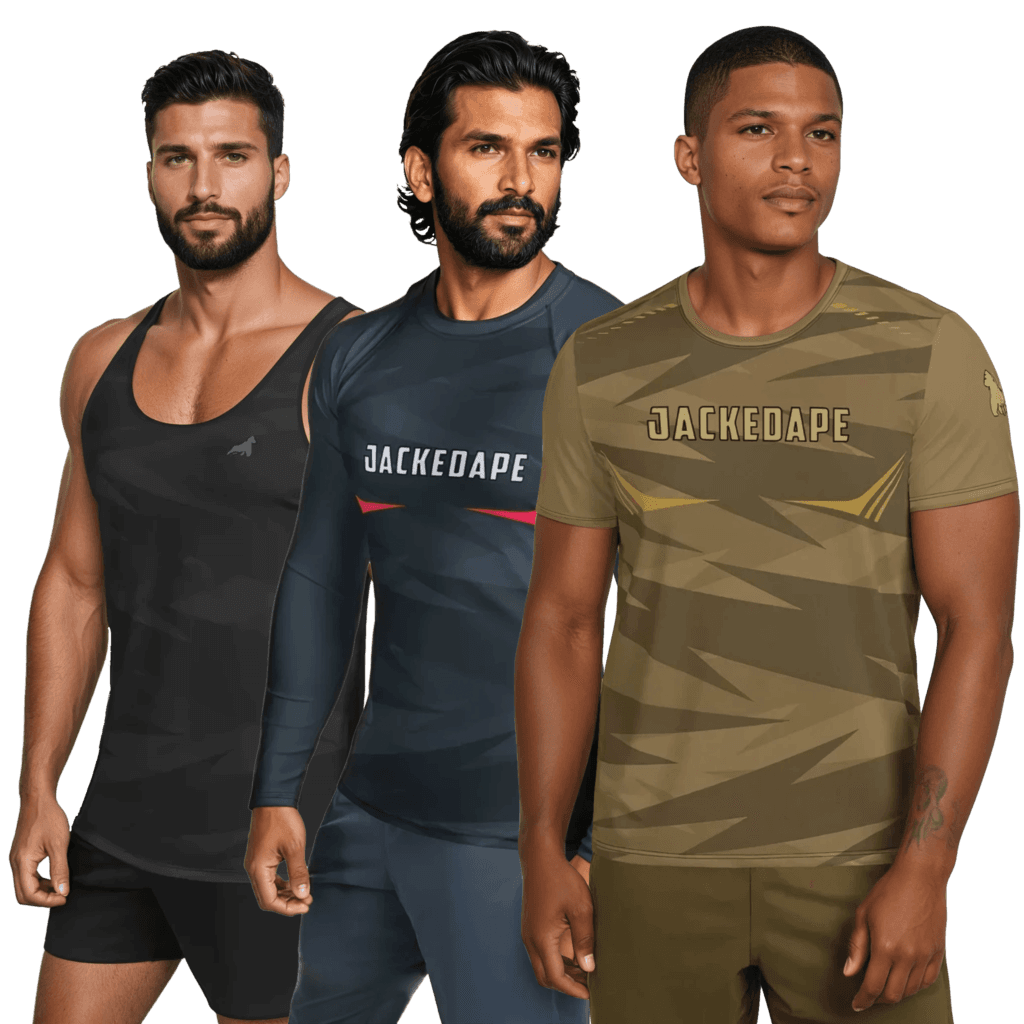
- Combat apparel borrows durability and mobility from fight sports. It supports high impact and rapid movement.
- Tactical cuts and reinforced seams increase range of motion. Meanwhile, moisture wicking fabrics speed cooling and comfort.
Training gear and studios
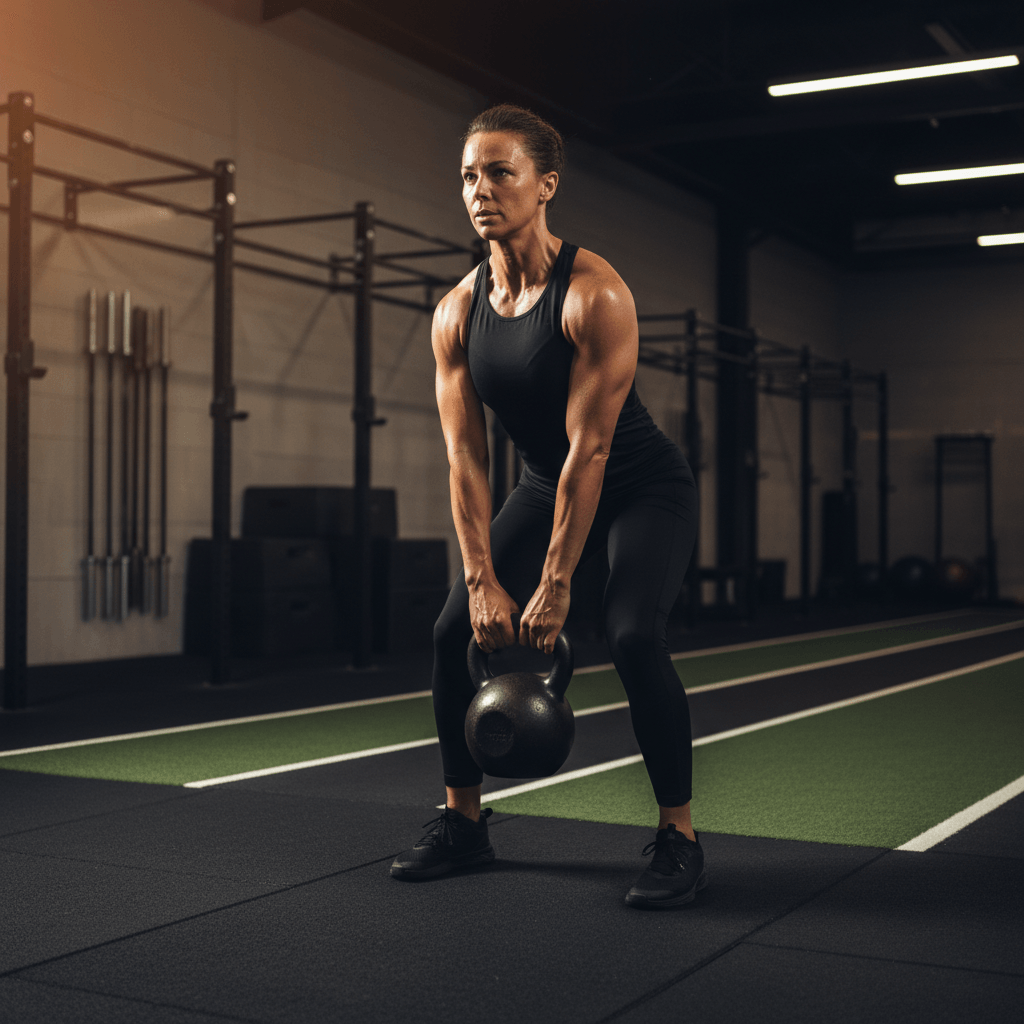
- Sleds, kettlebells, and plyo boxes build power and capacity. Use them for sport specific strength and speed work.
- Stability and agility tools improve proprioception and fluidity. For stunt work, they translate directly to safer landing and control.
Recovery tools and small conveniences
- Percussion devices, compression sleeves, and cold therapy reduce soreness and speed return to training.
- Hydration systems and insulated bottles keep fuel steady during long sessions.
Elite feedback drives product evolution. Coaches and pros test prototypes. Then, designers iterate on fit and function. As a result, brands refine combat apparel and training gear to match real world needs. JackedApe follows this iterative approach, listening to athletes and adjusting product features accordingly.
Actionable tip
Start with one wearable and one recovery tool. Then, track a four week cycle and adjust gear to fit your training methods and goals.
Training Methods Comparison for athlete training and performance
Use the following methods as building blocks for weekly and four week cycles. Each method has a primary purpose and clear metrics you can track. Mix intensity and volume so you avoid monotony and overtraining while progressing fitness, power, and movement quality.
| Training Method | Primary benefit | Best for | Performance impact |
|---|---|---|---|
| HIIT | Raises anaerobic capacity and VO2 max | Time constrained athletes and combat sports | Improves speed and lactate tolerance; requires planned recovery |
| Strength training | Increases force production, power, and joint resilience | Field athletes, stunt performers, weightlifters | Enhances sprint power, durability, and injury resistance |
| Endurance training | Builds aerobic base and metabolic efficiency | Distance runners and endurance athletes | Raises stamina and race economy for sustained efforts |
| Mobility and flexibility | Expands range of motion and movement quality | Performers, runners, and athletes needing fluidity | Improves technique, reduces strain, and supports recovery |
| Plyometrics | Develops explosive power and reactive strength | Jumpers, sprinters, and stunt performers | Boosts jump height and acceleration; needs sufficient base strength |
Practical mixing note
Combine methods across a week by assigning purpose to each session. For example, a typical microcycle could include two high intensity sessions, three strength sessions with lower volume on heavy days, one long aerobic session, and two short mobility blocks. Over a four week block gradually raise load for three weeks then schedule a recovery week. Measure results with objective markers such as heart rate trends, HRV, pace, jump height, barbell velocity, and session RPE. Also track subjective recovery and training consistency then adjust volume or intensity accordingly.
Conclusion
Athlete training and performance demands strategy, grit, and consistent execution. We covered conditioning, mental toughness, nutrition, recovery, and gear. Because data and feeling both matter, balance metrics with intuition. Therefore, use wearables as guides, not gospel. Meanwhile, prioritize sleep, smart fueling, and progressive overload.
JackedApe stands for high performance and tactical design. It blends combat apparel durability with athlete focused fit. Elite feedback informs product choices and iterative updates. Explore the brand’s philosophy and gear at JackedApe. Shop training essentials at JackedApe Shop and read more on their blog at JackedApe Blog. Follow them on X for quick tips: JackedApe on X.
Start with a four week cycle and one new tool. Track readiness, adjust load, and celebrate small wins. As a result, you will sharpen endurance and power. Keep the process tactical, but enjoy the journey.
Remember, progress builds from consistency, not drama. However, test changes gradually to avoid injury. Use tactical apparel and reliable tools to support training. Ultimately, athlete training and performance becomes a sustainable lifestyle. Start now and measure what matters.
FAQs: athlete training and performance
What is the best place to start improving athlete training and performance?
Start with a clear four week plan. Focus on consistent load, basic strength, and sleep. Then, add one wearable to track heart rate or HRV. Because small changes compound, keep the plan simple.
How often should I do high intensity sessions?
Limit true high intensity sessions to two or three times per week. Alternate hard days with easy or recovery days. Otherwise, you raise injury risk and sabotage recovery.
Can wearables replace how I feel?
No. Use wearables as guides not absolutes. However, compare device data to perceived exertion. If both disagree, prioritize rest and reassess.
What role does nutrition play in performance?
Nutrition fuels training, recovery, and adaptation. Prioritize protein, whole carbs, and hydration. Also, time meals around sessions for best results.
How do I balance stamina and power work?
Use periodized blocks that mix endurance and strength. For example, run tempo sessions and follow with targeted lifting. Over four weeks, shift emphasis to match your event.
If you need a personalized plan, test adjustments slowly and track progress.


Can Maingaining and calisthenics for beginners build lean mass?
Maingaining and calisthenics for beginners unlock efficient, lean muscle gains with minimal fluff. This approach...
How do thoracic spine stretches relieve desk pain?
Thoracic Spine Stretches Guide Thoracic spine stretches are essential for anyone who sits all day....
How does maingaining build lean muscle without bulk?
maingaining: build lean muscle without excessive bulk Maingaining puts muscle gain first while limiting excess...
Milano Cortina 2026 Winter Olympics: new sports spotlight?
New sports at the Milano Cortina 2026 Winter Olympics Anticipation is building across the fanbase...
How does Omorpho G-Vest Icon boost conditioning?
Omorpho G-Vest Icon The Omorpho G-Vest Icon is a layerable weighted vest for real training....
Why thoracic spine stretches boost breathing and mobility?
thoracic spine stretches Thoracic spine stretches unlock a freer mid-back and better posture. Sit for...
What is maingaining in a 4-week plan?
maingaining: Build Lean Muscle While Staying Agile Maingaining marries steady muscle growth with athletic fitness,...
What are the true benefits of weight loss transformation?
A weight loss transformation can rewrite how you live and feel. It changes more than...