




Best weighted vests for stronger, faster training
Weighted vests transform ordinary workouts into powerful sessions. If you want to level up, choose the best weighted vests to add progressive overload to bodyweight workouts. They force muscles to recruit more fibers, which builds strength and endurance faster.
A good vest feels snug and moves with you. However, it also spreads load evenly to protect joints and posture. As a result, you can run, hike, or do speed drills while gaining strength and explosive athleticism.
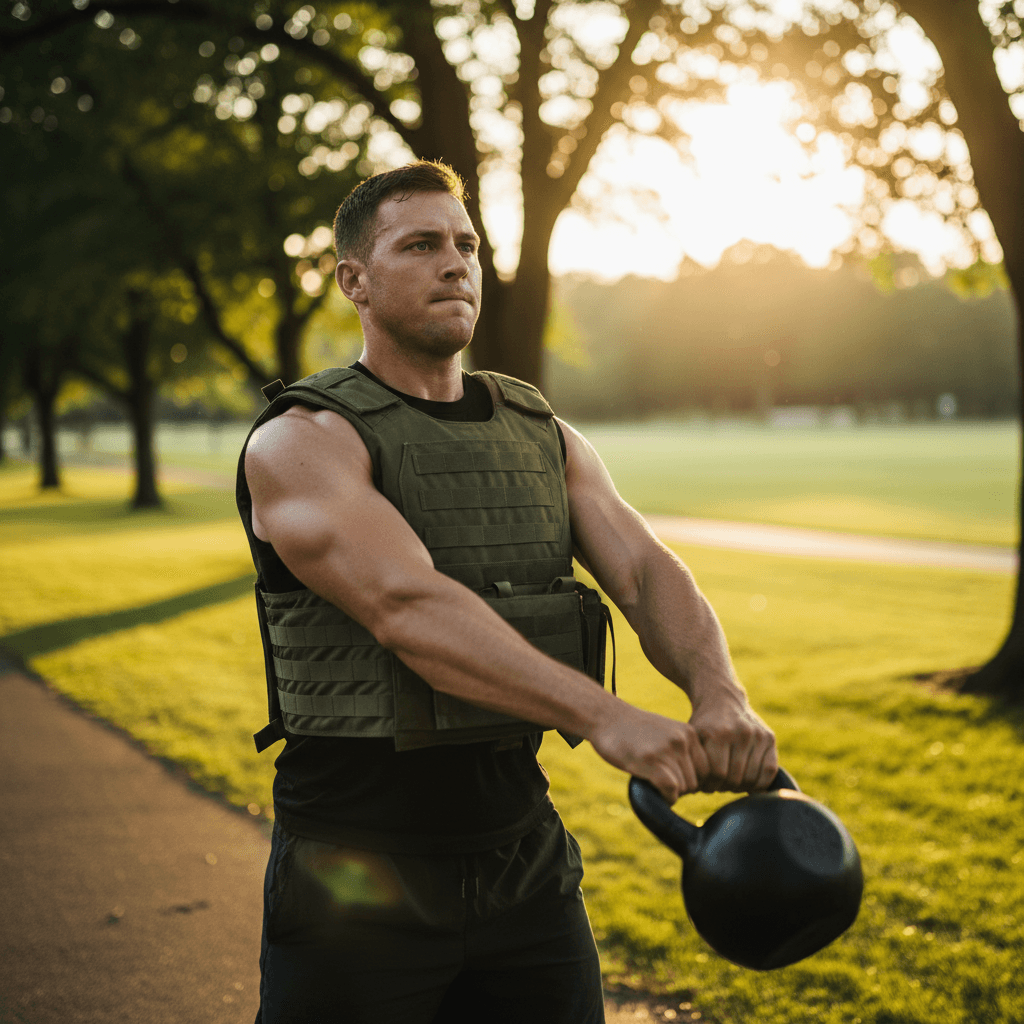
Use vests for sprint intervals, pull ups, push ups, and rucking. Because they work for both novice and advanced athletes, they scale training with adjustable weight or fixed-weight options. They also bridge the gap between strength work and sport practice.
Think about durability, fit, and mobility when you shop. Yet remember: start light and progress gradually to avoid injury. With the right vest, you will add power, stamina, and confidence to every workout.
Why the best weighted vests belong in your training kit
Weighted vests add purposeful resistance to simple movements. Because they increase load, they force your muscles to work harder. As a result, you recruit more muscle fibers during pull ups, squats, and sprints. They also translate strength gains to sport moves and daily tasks. For credibility, see testing and reviews from Men’s Health at Men’s Health.
Key benefits of the best weighted vests
- Strength building
- Weighted vests create progressive overload for bodyweight work. Therefore, you can turn push ups and lunges into strength exercises. They slow movement enough to build force without bulky gym equipment.
- Endurance and conditioning
- Wearing a vest during runs or rucks boosts cardiovascular demand. Consequently, you increase stamina and work capacity for longer efforts. Many athletes use vests for interval drills and hiking.
- Calorie burn and metabolic boost
- Extra load raises energy cost of every rep and step. So you burn more calories per minute and improve fat loss efficiency.
- Mobility and functional carryover
- The best vests balance load to preserve range of motion. For example, Hyperwear’s Hyper Vest Elite blends fabric and fit for movement. See product details at Hyperwear.
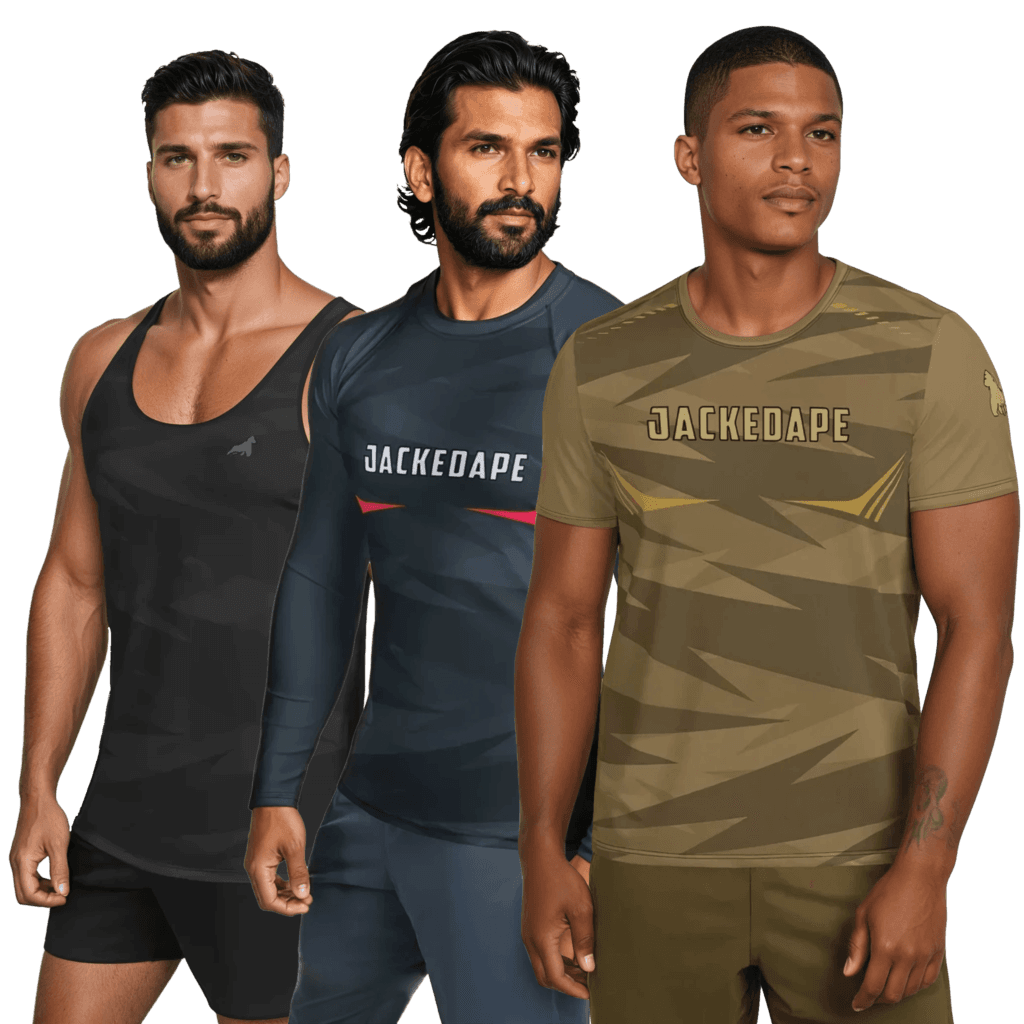
Pair a vest with thoughtful gear like a breathable training shirt for comfort. For a lightweight option, check the Tactical – Athletic Sport T-Shirt at Jackedape.
Use vests progressively and always focus on form to avoid injury.
| Vest | Weight options | Material quality | Comfort | Price range | Best use scenarios |
|---|---|---|---|---|---|
| Hyperwear Hyper Vest Elite | 10 pre-loaded to 32 lb adjustable | Nylon, Tyvek, Lycra; quick-wicking | High; slim fit, low bounce | $150 to $220 | Running, intervals, CrossFit |
| TRX Kevlar-style vest | 10, 20, 40 lb models; 1–2 lb increments | Kevlar-style; very durable | Solid fit; trim for runs but heavier at top loads | $120 to $300 | Tactical training; heavy strength work |
| Omorpho G-Vest / G-Vest Icon | Modular; adds up to extra 20 lb with panels | Engineered for even load distribution | Excellent balance; low movement | $180 to $350 | CrossFit, functional training, obstacle races |
| APEXUP fixed-weight neoprene vest | Fixed options; iron sand fill | Neoprene; colorful and soft | Comfortable but can shift under high load | $40 to $80 | Casual training, beginners, style-focused users |
| 5.11 TacTec Trainer Weight Vest | Weights sold separately; modular plates | Durable Cordura; tactical-grade | Good for heavy loads; bulkier profile | $140 base; up to $200+ | Tactical drills; rucking; robust strength work |
| GoRuck weighted backpack alternative | Plates sold separately; many plate choices | Rugged ruck fabric; heavy-duty | Designed for long rucks; shoulder carry | Just under $120 base; plates extra | Rucking, hiking, long-distance loading |
| Plate carrier style vests | 14 to 60+ lb depending on plates | Cordura, Kevlar options; extreme durability | Can be heavy; requires careful fit | $100 to $500+ | Military, heavy strength conditioning, advanced users |
Additionally, match your training to a vest that balances mobility and load.
Start light and progress gradually.
How to choose the best weighted vests for your training
Start by clarifying your training goals. Do you need more strength, endurance, or sport-specific overload? Because goals guide selection, list activities you plan to do first. For example, do you intend to run, ruck, or do CrossFit?
Weight customization matters a lot. Adjustable vests let you add small increments over time. As a result, they support progressive overload safely. Fixed-weight vests work too, however they limit long-term progression.
Fit and comfort should not be an afterthought. Look for a vest that fits snug and stays low on the torso. Otherwise it will bounce and create poor load distribution. Also, check straps and closures for secure adjustment.
Consider durability and materials when you buy. Neoprene suits casual users and beginners. Meanwhile, Cordura and Kevlar handle heavy loads and rough use. Therefore, choose beefier fabrics for tactical or high-weight training.
Evaluate mobility and range of motion carefully. Some vests restrict overhead movement or sprint mechanics. Consequently, test the vest in sport-specific drills before committing. Low-profile designs tend to preserve agility and explosive athleticism.
Think about comfort features as well. Breathable liners reduce sweat and odor. Padding at pressure points increases session length. Quick-wicking fabrics help during interval workouts.
Match vest type to the workout style. Use slim, adjustable vests for running and intervals. Choose plate carriers or heavy-duty vests for rucking and tactical drills. For bodyweight strength work, pick a vest that allows fine weight increments.
Follow practical rules when you start. Beginners should begin with five to ten percent body weight. More experienced athletes can try ten to fifteen percent. Always prioritize form and gradual progression to avoid injury.
Finally, read reviews and test fit if possible. Because fit influences performance, try before you buy when you can. With the right vest, you will unlock new strength and endurance gains.
Conclusion: Choose the best weighted vests for lasting gains
Choosing the best weighted vests makes every training session more effective. They deliver progressive overload, boost endurance, and improve functional strength. Because they add purposeful load, you will see faster gains in power and stamina. Therefore pick a vest that fits, adjusts, and moves with you.
JackedApe stands out for high-performance apparel and gear. Their designs lean tactical and athlete-tested, so durability meets mobility. Also, JackedApe collaborates with athletes to refine fit and function. Explore their products at JackedApe and shop directly at JackedApe Shop for tested training apparel.
Make smart choices and ramp weight slowly. Start light, respect form, and progress weekly. With the right vest and gear, you will bulletproof your workouts and stay consistent. Now get out and train with intent, because small, steady overload builds big results.
Visit their blog for training tips and gear guides. Check sizing guides and athlete reviews to fine tune your choice. Your next PR waits when you train smart and consistently.
Frequently Asked Questions (FAQs)
How heavy should I start with a weighted vest?
Start light. For most beginners, five to ten percent of body weight works well. More experienced athletes can use ten to fifteen percent. However, always prioritize form. If technique breaks down, reduce weight immediately.
Should I choose an adjustable or fixed-weight vest?
Adjustable vests give the best long-term value. Because they let you add small increments, they support progressive overload. Fixed-weight vests suit casual users and style-focused buyers. Yet they limit fine tuning as you advance.
Are weighted vests safe for running and sprints?
They can be safe when used correctly. For example, choose a low-profile vest for running. Also, avoid heavy loads that alter gait or stride. Therefore, keep sprint sessions short and focus on recovery.
Which materials and features matter most?
Look for durable fabrics like Cordura or Kevlar for heavy use. Meanwhile, neoprene suits beginners and casual training. Breathable liners, low-bounce design, and secure closures matter too. As a result, you improve comfort and longevity.
How do I fit and care for my vest?
Fit the vest snug and low on the torso. Test mobility in sport-specific drills. Clean according to manufacturer instructions. Finally, store plates and sand weights separately when possible to preserve shape.


Can Maingaining and calisthenics for beginners build lean mass?
Maingaining and calisthenics for beginners unlock efficient, lean muscle gains with minimal fluff. This approach...
How do thoracic spine stretches relieve desk pain?
Thoracic Spine Stretches Guide Thoracic spine stretches are essential for anyone who sits all day....
How does maingaining build lean muscle without bulk?
maingaining: build lean muscle without excessive bulk Maingaining puts muscle gain first while limiting excess...
Milano Cortina 2026 Winter Olympics: new sports spotlight?
New sports at the Milano Cortina 2026 Winter Olympics Anticipation is building across the fanbase...
How does Omorpho G-Vest Icon boost conditioning?
Omorpho G-Vest Icon The Omorpho G-Vest Icon is a layerable weighted vest for real training....
Why thoracic spine stretches boost breathing and mobility?
thoracic spine stretches Thoracic spine stretches unlock a freer mid-back and better posture. Sit for...
What is maingaining in a 4-week plan?
maingaining: Build Lean Muscle While Staying Agile Maingaining marries steady muscle growth with athletic fitness,...
What are the true benefits of weight loss transformation?
A weight loss transformation can rewrite how you live and feel. It changes more than...