







You crushed a workout, and delayed-onset muscle soreness (DOMS) shows up a day later. That delayed-onset muscle soreness (DOMS) often signals real progress. Still, it can feel alarming.
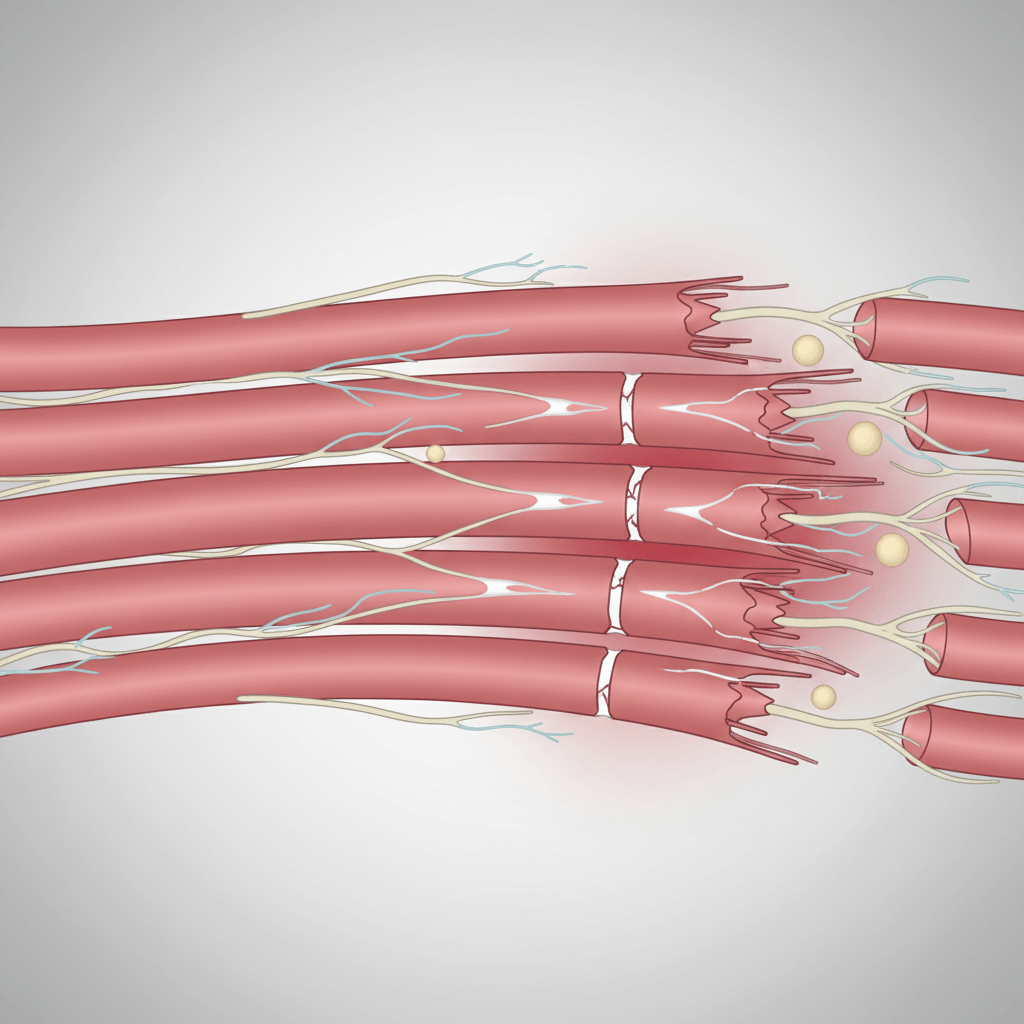
DOMS comes from tiny tears in muscle fibers. Those micro-tears spark an inflammatory cascade as the body repairs itself. Because this process takes time, pain typically peaks 24 to 48 hours later. For athletes and fitness lovers, DOMS matters for two reasons. First, it marks adaptation and strength gains. Second, it warns you to respect recovery so you avoid injury.
This article will show how to tell helpful soreness from harmful pain. You will get practical recovery tips like foam rolling and hydration. Also, you will learn when soreness could mean a serious condition. You will learn when to see a doctor.
Read on for evidence based steps to recover smarter and train harder. However, we will also offer safety rules so you progress without setbacks. Let’s turn soreness into a tool, not a trap.
Causes of delayed-onset muscle soreness (DOMS)
What triggers delayed-onset muscle soreness (DOMS)
Delayed-onset muscle soreness starts with structural stress to muscle fibers. Unfamiliar or intense eccentric movements cause tiny tears in the muscle’s contractile elements. Those micro-tears do not immediately cause pain. Instead, they start a biological repair process that creates delayed discomfort.
How muscle damage leads to inflammation
- Micro-tears: Eccentric loading damages sarcomeres and the extracellular matrix. This damage releases intracellular proteins and signals.
- Immune response: Neutrophils and macrophages arrive to clear debris and begin repair. As a result, cytokines and prostaglandins flood the area.
- Inflammatory cascade: Blood flow increases along with hormones and growth factors. This cascade peaks around 24 to 48 hours, which explains the delay in peak soreness.
- Nerve sensitization: Substances such as bradykinin and nerve growth factor sensitize pain receptors. Therefore, muscles feel tender even as they heal.
Why some workouts cause more DOMS
- Novelty: New exercises cause greater micro-trauma because muscles are unaccustomed to the movement.
- Intensity and volume: Heavier loads and higher volume create more structural stress.
- Eccentric emphasis: Lowering phases and lengthening contractions produce more micro-tears and thus more DOMS.
Clinical sources and further reading
Effective remedies for delayed-onset muscle soreness (DOMS)
Practical treatments for delayed-onset muscle soreness (DOMS)
- Active recovery: Move gently with a short walk, easy bike ride, or light swim. Because low-impact movement boosts circulation, it helps remove inflammatory byproducts. For many athletes, active recovery reduces stiffness and accelerates muscle recovery.
- Foam rolling and self-massage: Use a roller or massage tool to ease tight spots. Research shows foam rolling can reduce soreness and improve short term range of motion (see this study and this research). Also, percussive devices may help after intense sessions (see here).
- Stretching and mobility work: Perform gentle static stretches and mobility drills. These techniques loosen tight tissue and permit better movement. However, avoid aggressive stretching into sharp pain.
- Heat and cold therapy: Apply ice in the first day for acute inflammation. Then use heat to relax muscles and increase blood flow. Systematic reviews support both approaches for soreness relief (view study).
- Sleep and nutrition: Prioritize quality sleep and protein rich meals. Protein supports muscle repair. Omega three fats and antioxidants may reduce inflammation over time.
- Hydration and electrolytes: Drink water before, during, and after workouts. Proper hydration lowers the chance of excessive soreness because cells function better with fluid balance.
- Over the counter meds and supplements: Use NSAIDs sparingly for short term relief. Also consider tart cherry or omega three supplements, but check evidence and dosage first.
Practical tips and safety notes
- Avoid high intensity work on very sore muscles. Repeatedly training while sore increases injury risk.
- Try light activity the day after a hard session. It often feels better than total rest.
- See a doctor if soreness remains severe beyond 48 hours. Persistent pain could mean a medical problem.
| Method | Description | Pros | Cons | Typical recovery time |
|---|---|---|---|---|
| Active recovery | Low intensity movement to boost circulation and reduce stiffness | Improves blood flow and reduces stiffness; low injury risk | Less effective for deep tissue pain; may feel slow | Often 24 to 48 hours for noticeable improvement; 48 to 72 hours for fuller recovery |
| Foam rolling and self-massage | Pressure based work to ease tight spots and improve range | Portable and low cost; reduces soreness and improves range | Can be uncomfortable; avoid excessive pressure or bruising | Immediate relief to 48 hours |
| Stretching and mobility | Gentle static and dynamic drills to restore range | Restores movement and reduces stiffness | Aggressive stretching can irritate tissue | 24 to 72 hours |
| Heat and cold therapy | Ice for acute inflammation then heat to increase blood flow | Fast pain relief and reduced swelling; easy to apply | Mixed long term evidence; timing matters | Immediate relief; effects over 24 to 48 hours |
| Nutrition and sleep | Adequate protein, calories, and quality sleep to support repair | Supports muscle repair and reduces inflammation | Benefits take days to weeks with consistent use | Ongoing benefit; supportive within 24 to 72 hours |
| NSAIDs and supplements | Short term NSAIDs for pain; supplements like omega 3 or tart cherry | Rapid symptom relief; some anti-inflammatory support | NSAIDs can blunt long-term adaptation if overused | Immediate symptom relief; variable longer term effects |
| Rest and modified training | Avoid heavy loading; use cross training or opposite muscle groups | Lowers injury risk and allows healing | May slow specific strength progress | 48 to 72 hours or until soreness subsides |
| Professional therapy | Massage, physical therapy, or targeted interventions | Tailored care for persistent or complex soreness | Cost and time; access varies | Variable; often helps after 48 hours |
Understanding and managing delayed-onset muscle soreness (DOMS) helps athletes train longer and smarter. When you respect recovery, you reduce injury risk and improve gains. Therefore, use targeted recovery techniques, sleep, and balanced nutrition to support repair. Also, use gentle movement and foam rolling in the 24 to 48 hour window.
JackedApe supports athletes who train intensely and live purposefully. The brand makes high performance fitness and combat apparel built for hard work and recovery. Explore gear and recovery tools at JackedApe. Visit the shop for performance products at JackedApe Shop. Read more tips and guides on the blog at JackedApe Blog.
Keep soreness in perspective and listen to your body. However, if pain is severe or unusual, seek medical advice. With consistent care and smart choices, soreness becomes a sign of growth, not a setback. Stay patient because adaptation takes time and consistent effort. Then celebrate progress while protecting your long term health.
Frequently Asked Questions (FAQs)
What is delayed-onset muscle soreness (DOMS) and how long does it last?
Delayed-onset muscle soreness (DOMS) is the aching that follows new or intense exercise. It usually starts 24 to 48 hours after training and peaks in that period. Most people feel marked improvement within 48 to 72 hours. However, if pain deepens, or you notice dark urine or extreme weakness, seek medical care.
How can I prevent DOMS?
You can reduce DOMS by progressing gradually and using proper form. Warm up well and include mobility work before hard sessions. Stay hydrated and fuel with protein after workouts. Also, cross-train and add eccentric work slowly because novelty and volume drive micro-tears.
Should I train through DOMS?
Light movement is usually fine and often helpful. Try walking, cycling, or mobility drills to boost circulation. However, avoid heavy lifting or maximal effort while muscles are very sore. Training hard through DOMS raises injury risk because you may compensate with other muscles.
What treatments best relieve DOMS?
Use active recovery, foam rolling, and gentle stretching for fast relief. Apply ice for acute swelling, then heat to relax tissue. Prioritize sleep, protein rich meals, and hydration because they support repair. Use NSAIDs rarely for short term pain, and consider evidence based supplements cautiously.
When should I see a doctor about DOMS?
See a clinician if soreness is unusually severe or gets worse after 48 hours. Also seek help for dark urine, swelling, numbness, fever, or rapid weakness. Those signs could indicate rhabdomyolysis or another medical issue that needs prompt evaluation.


Can Maingaining and calisthenics for beginners build lean mass?
Maingaining and calisthenics for beginners unlock efficient, lean muscle gains with minimal fluff. This approach...
How do thoracic spine stretches relieve desk pain?
Thoracic Spine Stretches Guide Thoracic spine stretches are essential for anyone who sits all day....
How does maingaining build lean muscle without bulk?
maingaining: build lean muscle without excessive bulk Maingaining puts muscle gain first while limiting excess...
Milano Cortina 2026 Winter Olympics: new sports spotlight?
New sports at the Milano Cortina 2026 Winter Olympics Anticipation is building across the fanbase...
How does Omorpho G-Vest Icon boost conditioning?
Omorpho G-Vest Icon The Omorpho G-Vest Icon is a layerable weighted vest for real training....
Why thoracic spine stretches boost breathing and mobility?
thoracic spine stretches Thoracic spine stretches unlock a freer mid-back and better posture. Sit for...
What is maingaining in a 4-week plan?
maingaining: Build Lean Muscle While Staying Agile Maingaining marries steady muscle growth with athletic fitness,...
What are the true benefits of weight loss transformation?
A weight loss transformation can rewrite how you live and feel. It changes more than...