






Understanding Delayed-Onset Muscle Soreness (DOMS): A Common Challenge for Fitness Fans
If you’ve ever woken up to find your muscles unexpectedly sore after a tough workout, you’re not alone. Delayed-onset muscle soreness (DOMS) is a familiar challenge that affects fitness enthusiasts and combat sport athletes alike. This soreness usually sneaks up a day or two after exercise, leaving you wondering whether you’ve overdone it or if it’s just part of the muscle-building process.
In this article, we’ll explore the ins and outs of DOMS. From understanding why it happens and its role in muscle development, to recognizing when soreness signals a more serious issue, we’ve got you covered. You’ll also discover effective at-home remedies to soothe achy muscles and learn when it might be wise to seek professional help. Whether you’re a weekend warrior or a seasoned athlete, understanding DOMS can be your key to enhancing performance and avoiding injury. Dive in to empower your fitness journey with knowledge.
What Causes Delayed-Onset Muscle Soreness (DOMS) and How It Feels
Delayed-onset muscle soreness, or DOMS, shows up after hard or new workouts. It usually starts a day later. The pain builds over the next 24 to 48 hours. As a result, athletes and fighters often wake up stiff and wary.
Causes of DOMS
- Micro-tears in muscle fibers from heavy or eccentric loads. These tiny tears spark repair and strength gains. See research on pain mediators here: research on pain mediators.
- Inflammation that follows micro-tears. This process increases fluid and pressure in the muscle. Therefore, it makes the area feel tight and sensitive.
- Connective tissue and fascia strain around the muscle. Recent studies suggest fascia can drive much of the pain. For more on fascia involvement see: fascia involvement.
- Unfamiliar movements or sudden spikes in training. New exercises cause more micro-damage and therefore more soreness.
Symptoms you will notice
- Tenderness and aching when you touch the muscle.
- Stiffness that limits your range of motion.
- Reduced strength during lifts and drills.
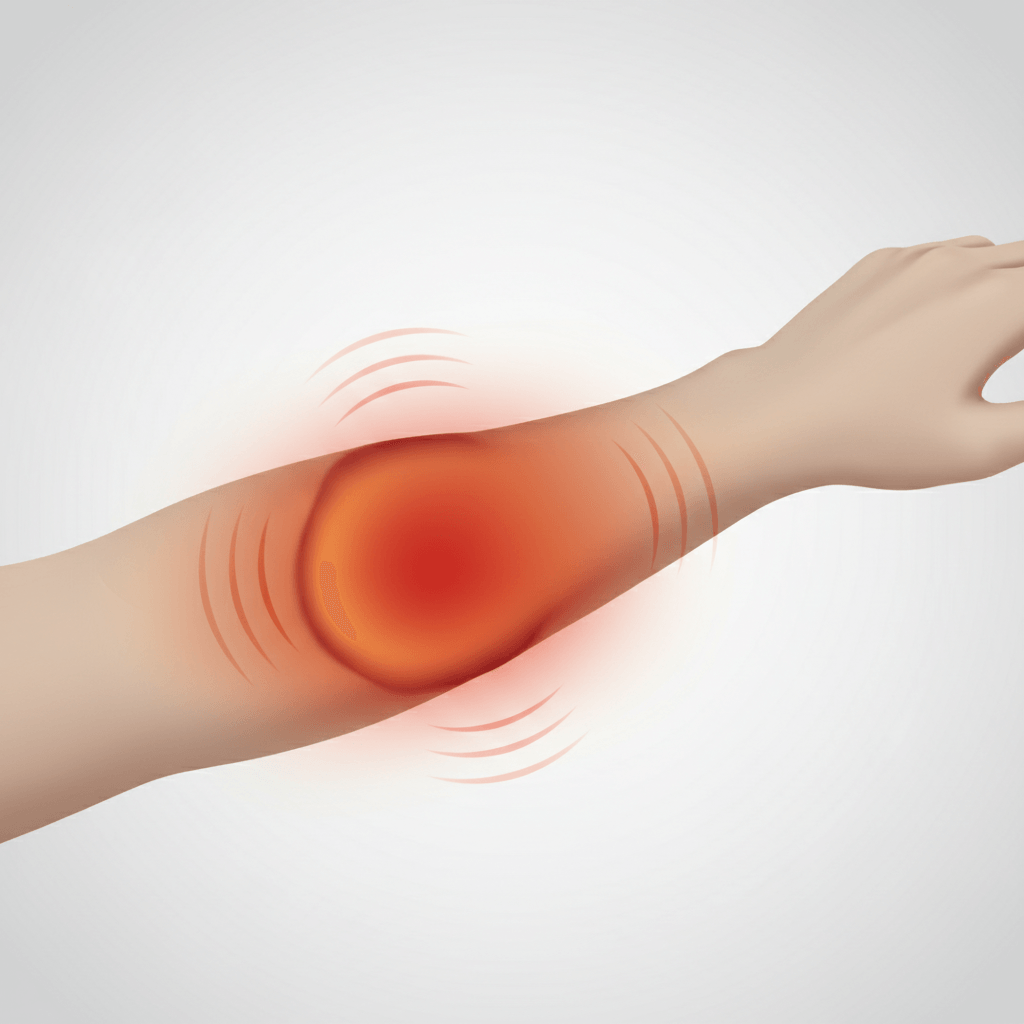
- Swelling or a heavy, throbbing feeling in the affected area.
- Pain that peaks around 24 to 72 hours after exercise and then eases.
Visually, imagine the muscle as a tight rope. After tough work it looks swollen and feels sore to bend. However, DOMS is usually normal and ties to growth. If pain becomes extreme, or urine darkens, seek care immediately.
For simple self-care, consider tools like a foam roller such as FlexRoll: FlexRoll or a percussive massager like the Ape Gun: Ape Gun. You can also use targeted trigger point tools like MyoFusion: MyoFusion.
Recovery Strategies for Delayed-Onset Muscle Soreness (DOMS)
DOMS signals your muscles are repairing and adapting. However, smart recovery speeds healing and limits risk. Use these evidence-based tactics to manage soreness, recover faster, and keep progress moving.
Key strategies
- Active recovery
- Do light movement like a 20 minute walk or easy bike. This boosts circulation and clears metabolic waste.
- Try low-impact cross-training, for example a short swim or mobility session. It reduces stiffness without stressing damaged fibers.
- Hydration and electrolytes
- Drink water regularly before and after training. Hydration supports cellular repair and reduces cramps.
- Add electrolytes if you sweat heavily. This helps maintain muscle function and fluid balance.
- Nutrition to support repair
- Prioritize protein within two hours after workouts because it aids muscle rebuilding. Aim for 20 to 40 grams.
- Include anti-inflammatory foods like oily fish and berries. Research shows some nutrients reduce soreness and inflammation (see review).
- Rest and sleep
- Sleep is non negotiable. Aim for seven to nine hours nightly. Sleep fuels hormonal repair and recovery.
- Schedule easy days. Because training the same sore muscles intensely raises injury risk.
- Regeneration tools and manual therapies
- Use foam rolling or self myofascial release to lower soreness. Studies find foam rolling decreases DOMS up to 72 hours post exercise (source).
- Try percussive massage or targeted trigger point work to ease tight spots. These methods can reduce stiffness and restore range of motion.
- Heat and cold therapies
- Apply cold soon after extreme sessions to blunt acute pain. Research supports short term pain relief (source).
- Use heat later to relax tissues and increase blood flow before mobility work.
Practical tips to follow
- Move gently, because motion speeds recovery.
- Nourish consistently, therefore you give muscles raw material to rebuild.
- Rest when needed, otherwise small tears can become bigger injuries.
These strategies combine to reduce soreness and preserve performance. Use them together and adjust to how your body responds.
| Method | Description | Benefits | Best Use Cases |
|---|---|---|---|
| Active recovery | Low intensity movement that increases blood flow. Examples include walking, easy cycling, and swimming. | Speeds metabolic waste removal and reduces stiffness. Therefore it aids gentle recovery. | Use within 24 to 48 hours after intense sessions or leg day. |
| Hydration and electrolytes | Replace fluids and salts lost through sweat. Drink water and electrolyte drinks. | Supports cellular repair and reduces cramping. Because muscles need fluid to function. | Best for long sessions, hot training, and heavy sweat days. |
| Nutrition and protein | Consume protein and carbohydrates after training. Aim for 20 to 40 grams of protein. | Provides building blocks for muscle repair and growth. As a result recovery improves. | Use within two hours post workout and on training dense weeks. |
| Foam rolling and myofascial release | Self massage to ease tight spots and mobilize fascia. Use rollers or targeted tools. | Lowers soreness and restores range of motion. However avoid aggressive work on acute pain. | Ideal on recovery days or before mobility sessions. |
| Percussive massage | High frequency pulses for soft tissues. Use short 1 to 2 minute passes. | Reduces tightness and improves local blood flow. It can be used before training. | Try before mobility work or on sore trigger points. |
| Sleep and rest | Prioritize seven to nine hours nightly and schedule easy days. | Enhances hormonal repair and overall adaptation. Therefore gains stick and injuries fall. | Use during heavy training blocks and after maximal effort sessions. |
| Heat and cold therapy | Cold reduces acute inflammation and numbs pain. Heat relaxes tissue and boosts flow. | Use cold early and heat later to manage pain and stiffness. | Apply cold in first 24 hours; use heat before mobility work. |
| Compression and contrast therapy | Compression limits swelling. Contrast baths alternate hot and cold water. | May speed recovery and reduce perceived soreness. However evidence varies. | Helpful after long endurance efforts. |
Conclusion: Own Your Recovery and Keep Training with Purpose
Delayed-onset muscle soreness (DOMS) reminds us that adaptation is in progress. It signals micro-tears, inflammation, and rebuilding. Therefore, soreness can mean growth when managed well.
Remember the key points. First, DOMS usually peaks 24 to 72 hours after intense work. Second, causes include eccentric loading, unfamiliar movements, and connective tissue strain. Third, watch for red flags such as extreme pain or dark urine because these can signal rhabdo.
Use practical recovery tools. Prioritize sleep and hydration. Eat protein and anti-inflammatory foods. Move gently with active recovery, and apply foam rolling or percussive massage to ease tight spots. Moreover, combine heat and cold therapies appropriately for the best results.
JackedApe stands for tactical design and performance gear built for serious athletes. For proven training apparel and tools visit our site: JackedApe and shop our performance line: Performance Line. Because quality gear supports hard training, JackedApe helps you stay prepared.
Train hard, recover smarter, and stay consistent. As a result, your strength and resilience will grow. Push with purpose, and let recovery fuel your next win.
Frequently Asked Questions (FAQs)
What is delayed-onset muscle soreness (DOMS) and when does it usually start?
DOMS is a dull, aching pain after hard or new exercise. It usually begins 24 to 48 hours post workout. As a result, soreness often peaks on day two. This timing helps distinguish DOMS from immediate exercise pain.
How long does DOMS normally last and when should I worry?
Most DOMS fades in three to five days. However, if pain gets worse or lasts beyond a week, seek help. Also, if you notice extreme swelling, fever, or dark urine, contact a medical professional. These signs may indicate something more serious like rhabdomyolysis.
Can I train through DOMS or should I rest?
You can train, but keep intensity low. For example, do active recovery like walking or an easy bike ride. Because intense sessions on the same sore muscles raise injury risk, avoid heavy lifts. Instead, focus on mobility and technique.
What quick remedies ease DOMS at home?
Try light movement to boost circulation and reduce stiffness. Use foam rolling or gentle self massage to release tight spots. Cold helps early on for pain control, and heat helps later for mobility. Lastly, hydrate and eat protein to support repair.
How can I reduce DOMS in future workouts?
Progress loads slowly and include eccentric control in training. Warm up thoroughly and cool down after sessions. Also, stay well hydrated and prioritize sleep. Over time your muscles adapt, so DOMS will occur less often.


Can Maingaining and calisthenics for beginners build lean mass?
Maingaining and calisthenics for beginners unlock efficient, lean muscle gains with minimal fluff. This approach...
How do thoracic spine stretches relieve desk pain?
Thoracic Spine Stretches Guide Thoracic spine stretches are essential for anyone who sits all day....
How does maingaining build lean muscle without bulk?
maingaining: build lean muscle without excessive bulk Maingaining puts muscle gain first while limiting excess...
Milano Cortina 2026 Winter Olympics: new sports spotlight?
New sports at the Milano Cortina 2026 Winter Olympics Anticipation is building across the fanbase...
How does Omorpho G-Vest Icon boost conditioning?
Omorpho G-Vest Icon The Omorpho G-Vest Icon is a layerable weighted vest for real training....
Why thoracic spine stretches boost breathing and mobility?
thoracic spine stretches Thoracic spine stretches unlock a freer mid-back and better posture. Sit for...
What is maingaining in a 4-week plan?
maingaining: Build Lean Muscle While Staying Agile Maingaining marries steady muscle growth with athletic fitness,...
What are the true benefits of weight loss transformation?
A weight loss transformation can rewrite how you live and feel. It changes more than...