






DOMS (delayed-onset muscle soreness): Why That Ache Means Progress
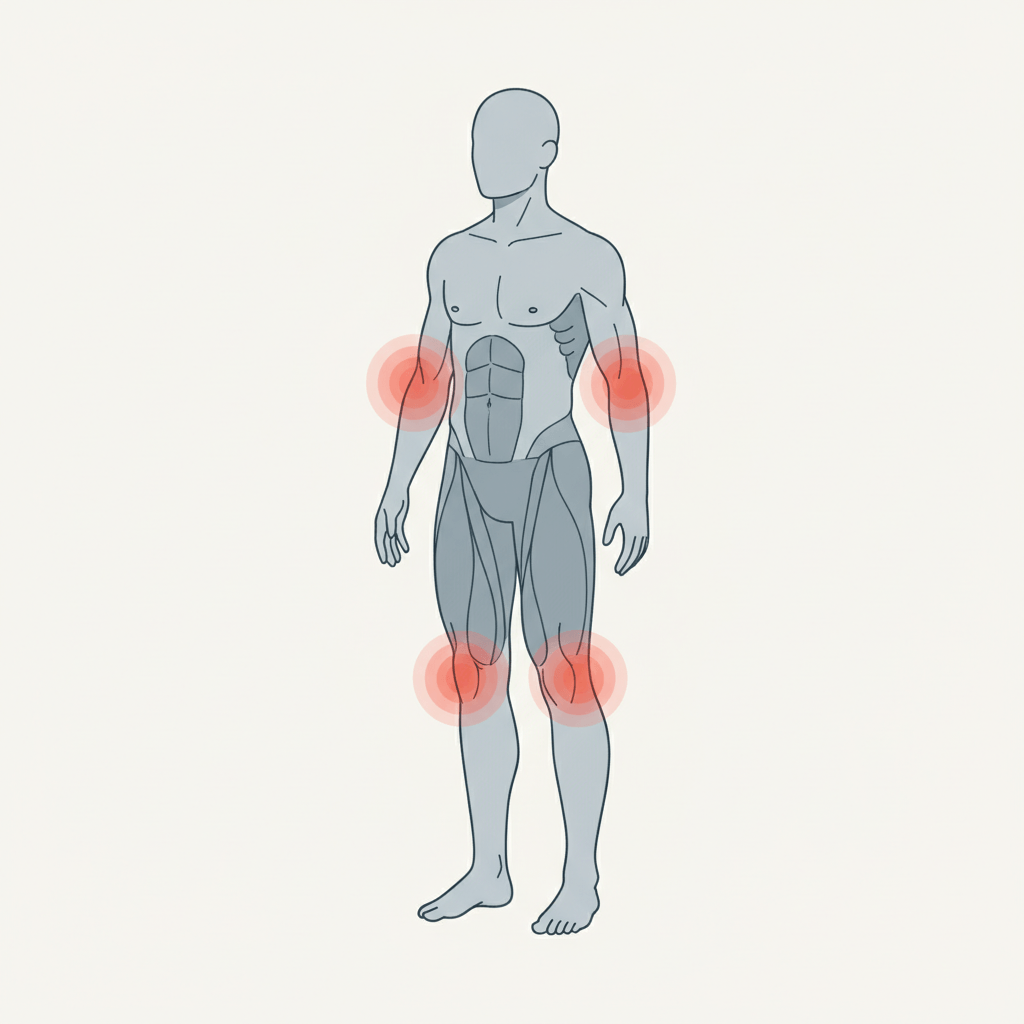
DOMS (delayed-onset muscle soreness) often shows up 24 to 48 hours after a hard workout. It is the ache you feel when muscles tighten, twinge, or burn. Because tiny micro-tears occur in muscle fibers, inflammation follows. As a result, your body sends blood, hormones, and proteins to heal the damage. New moves and heavier loads increase the chance of DOMS. However, not all soreness equals injury. Understanding DOMS helps athletes train smarter and avoid setbacks. The discomfort can feel like deep stiffness, stiff knots under the skin, or sharp jolts when you move. Walking, climbing stairs, or bending the joint can feel like carrying weight. Yet, this pain also signals adaptation. Therefore, with the right recovery, those micro-tears become stronger muscle tissue. In short, DOMS is both a warning and a promise. It warns you to back off when needed, and it promises gains when you recover well.
Causes of DOMS (delayed-onset muscle soreness): microtears, inflammation, and exercise intensity
DOMS (delayed-onset muscle soreness) starts with structural damage to muscle fibers. When you push hard or try new exercises, eccentric loading creates tiny microtears. As a result, the body mounts an inflammatory cascade. This cascade brings blood, immune cells, and repair proteins to the area. The process peaks about 24 to 48 hours later, which explains delayed pain (source).
Key physiological steps
- Microtrauma to muscle fibers. Small tears disrupt sarcomeres and connective tissue.
- Inflammatory response. Immune cells release cytokines and chemicals that sensitize nerves.
- Edema and pressure. Fluid accumulates and creates stiffness and aching.
- Repair and adaptation. Satellite cells rebuild muscle, leading to strength gains (source).
DOMS (delayed-onset muscle soreness) and muscle recovery challenges
Recovery can stall when hydration is poor or when workouts repeat the same stress. Therefore, athletes risk compensatory movement patterns and injury. However, active recovery, gentle mobility, and self-care speed recovery. For example, cold and heat therapies reduce pain in trials (source). Foam rolling and targeted myofascial tools also help. For hands-on options, consider MyoFusion tools for trigger point release (MyoFusion tools). Finally, if soreness lasts beyond 48 hours, seek medical advice.
Evidence Based Recovery for DOMS and Exercise Recovery: Studies and Practical Methods
Researchers have studied DOMS and recovery for decades. Because DOMS results from microtrauma and inflammation, scientists test methods that reduce pain and speed repair. For example, systematic reviews link active recovery to faster perceived recovery and less soreness. See the inflammatory cascade research here: inflammatory cascade research.
Clinical and trial evidence highlights key approaches. However, no single method eliminates DOMS entirely. Instead, combining techniques gives the best results. Below are evidence backed strategies and short summaries of the science.
- Active recovery and low impact movement. Light walking, cycling, or swimming improves blood flow. Consequently, studies show reduced soreness and quicker return to function. For context, Jordan Metzl, M.D., often advises active recovery for sustained training.
- Hydration and electrolyte balance. Proper fluid intake supports cellular repair and reduces cramping risks. Moreover, dehydration can worsen perceived soreness. Therefore, drink water before, during, and after workouts.
- Nutrition and protein timing. Protein supports muscle protein synthesis and repair. In trials, adequate protein intake after exercise enhances recovery. As a result, athletes recover faster and maintain training volume.
- Foam rolling and self massage. Several randomized trials report modest pain reduction from foam rolling. For hands on or tool based release, targeted devices can improve mobility and ease soreness. For example, MyoFusion tools provide focused trigger point therapy.
- Contrast therapies, cold, and heat. Some meta analyses find small benefits from cold or contrast baths. However, results vary by protocol and timing. See a review of modalities here: review of modalities.
Finally, researchers note recovery depends on exercise intensity and novelty. For instance, larger eccentric loads cause more microtears and greater DOMS. For physiological background, review muscle repair studies here: muscle repair studies.
Use these evidence based tools together. As a result, you protect performance and speed muscle recovery. If soreness worsens or lasts beyond 48 hours, seek medical advice.
| Method | Description | Effectiveness | Recommended Usage |
|---|---|---|---|
| Rest | Short term rest reduces load on damaged muscle fibers. It limits further microtears. | Moderate | Use for 24 to 48 hours after intense soreness. Avoid complete inactivity for days. |
| Active recovery | Low intensity movement that boosts circulation and clearance of inflammation. Examples include walking and light cycling. | Good | Do gentle sessions 20 to 40 minutes. Progress intensity as pain decreases. |
| Foam rolling and self massage | External pressure breaks up tight fascia and eases trigger points. It improves mobility and reduces perceived pain. | Moderate to good | Roll sore areas for 5 to 10 minutes. Use controlled pressure and slow rolls. |
| Hydration and electrolytes | Fluids support cellular repair and reduce cramping. Electrolytes replace salts lost in sweat. | Important | Drink water throughout the day. Use electrolyte drinks for long or hot sessions. |
| Nutrition and protein | Protein and carbs fuel repair and replenish glycogen. Protein supports muscle protein synthesis. | High when consistent | Consume 20 to 40 grams of protein within two hours of exercise. Eat balanced meals daily. |
| Medication (NSAIDs) | Non steroidal anti inflammatory drugs reduce inflammation and pain. They blunt inflammatory signals. | Short term relief | Use sparingly. Avoid chronic use because it can slow tissue adaptation. Consult a clinician. |
Conclusion: Recover Stronger, Train Smarter
DOMS (delayed-onset muscle soreness) shows that your muscles adapted to new stress. Because it stems from microtears and inflammation, DOMS calls for smart recovery. Understanding the cause helps you avoid injury and keep making gains.
Use active recovery, good hydration, and solid nutrition to speed repair. In addition, incorporate foam rolling and targeted mobility work. However, avoid intense sessions on extremely sore muscles. Therefore, rest when needed and progress slowly to protect form.
JackedApe supports athletes who train hard and recover smarter. Their high performance apparel and supportive gear stay tough through intense sessions. Shop training and recovery essentials at JackedApe Shop or learn more at JackedApe.
Stay consistent, listen to your body, and apply these evidence based steps. As a result, you will build strength and resilience without unnecessary setbacks. Keep pushing, recover well, and celebrate progress.
Frequently Asked Questions about DOMS (delayed-onset muscle soreness)
How long does DOMS usually last?
Most people feel DOMS for 24 to 48 hours. However, soreness can peak around day two. In some cases, mild discomfort can last up to 72 hours. If pain stays severe beyond 48 to 72 hours, seek medical advice.
Can I prevent DOMS?
Yes, you can lower the risk of DOMS. Start with gradual increases in exercise intensity. Also, include a proper warm up and controlled eccentric training. Finally, stay hydrated and fuel recovery with protein.
What treatments reduce DOMS symptoms?
Active recovery helps by boosting circulation and reducing stiffness. Foam rolling and self massage ease tight fascia and tender spots. Hydration and protein support cellular repair. Short term NSAIDs give pain relief, but use them sparingly.
Is it safe to train through DOMS?
Light, low impact sessions are usually safe. However, avoid intense work on the same sore muscles. Otherwise, you risk compensatory movement and injury. Therefore, prioritize form and reduce load until soreness decreases.
When should I see a doctor about DOMS?
See a clinician for extreme pain, severe swelling, or muscle weakness. Also seek help for dark tea colored urine or inability to walk. These signs could indicate rhabdomyolysis, which needs urgent care.
These short answers cover prevention, care, and red flags. Use them to train smarter and recover better.


Can Maingaining and calisthenics for beginners build lean mass?
Maingaining and calisthenics for beginners unlock efficient, lean muscle gains with minimal fluff. This approach...
How do thoracic spine stretches relieve desk pain?
Thoracic Spine Stretches Guide Thoracic spine stretches are essential for anyone who sits all day....
How does maingaining build lean muscle without bulk?
maingaining: build lean muscle without excessive bulk Maingaining puts muscle gain first while limiting excess...
Milano Cortina 2026 Winter Olympics: new sports spotlight?
New sports at the Milano Cortina 2026 Winter Olympics Anticipation is building across the fanbase...
How does Omorpho G-Vest Icon boost conditioning?
Omorpho G-Vest Icon The Omorpho G-Vest Icon is a layerable weighted vest for real training....
Why thoracic spine stretches boost breathing and mobility?
thoracic spine stretches Thoracic spine stretches unlock a freer mid-back and better posture. Sit for...
What is maingaining in a 4-week plan?
maingaining: Build Lean Muscle While Staying Agile Maingaining marries steady muscle growth with athletic fitness,...
What are the true benefits of weight loss transformation?
A weight loss transformation can rewrite how you live and feel. It changes more than...